
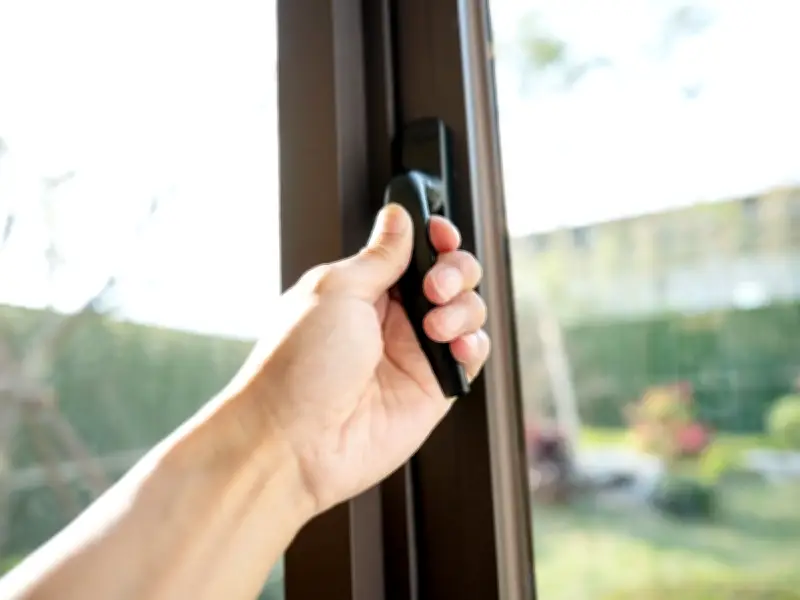
As an extreme 38C heatwave triggers urgent health alerts across the country, millions of residents are looking for ways to stay safe and keep their homes as cool as possible. One of the most common questions is whether to open windows wide to catch a breeze or keep them closed to block heat.
Official Advice on Windows During a Heatwave
While the instinct for many is to open every window, the UK Health Security Agency (UKHSA) warns that doing so during peak sun hours can invite dangerous outdoor heat into your home. According to the government's Beat the Heat campaign, the key is to open windows only when the outdoor temperature is cooler than indoors. During a 38C heatwave, outside air easily exceeds standard indoor temperatures for most of the day.
Opening windows in the afternoon allows intense heat to flood living spaces, compounding the risk of indoor overheating. Instead, the UKHSA advises keeping windows and curtains firmly closed in rooms that face the sun during the hottest parts of the day.
Practical Steps to Keep Your Home Cool
To protect your home from spiking temperatures, the official guidance recommends a dynamic approach:
- Shade and Cover: Close external shutters, blinds, or curtains on sun-facing windows before morning temperatures spike to block solar radiation.
- Maximise Cross-Ventilation: Save window opening for late evenings, overnight, or early mornings when outside air is cooler. Open windows on opposite sides of the building to flush out stale heat.
- Fan Usage Limit: Electric fans can help if air temperature is below 35C. Above this threshold, fans recirculate blistering air and can accelerate dehydration if aimed directly at the body.
- Eliminate Indoor Heat Sources: Turn off central heating, lights, and unused electrical equipment. Avoid using ovens or hobs to prevent generating additional heat.
Homes Most at Risk of Overheating
The government's 'Keep Cool at Home' brief notes that certain properties are structural 'heat traps':
- Top-floor flats and urban properties with minimal green space.
- Buildings with large east, west, or south-facing windows lacking external shading.
- Highly insulated or modern energy-efficient homes that trap heat and struggle to release it.
If your home becomes dangerously hot, the UKHSA suggests retreating to a cooler part of the house or visiting air-conditioned public spaces like libraries, supermarkets, or community centres.
Recognising Heat Stress and Heatstroke
The Beat the Heat campaign aims to prevent severe medical emergencies. Health officials urge monitoring vulnerable neighbours—especially adults over 65, pregnant women, and children under 5—for signs of heat stress.
Heat exhaustion symptoms: tiredness, dizziness, headache, muscle cramps, heavy sweating, intense thirst, or nausea. If suspected, cool the person down immediately: move to a cool place, remove excess clothing, spray or sponge skin with cool water, and give water or rehydration fluids.
Heatstroke symptoms (medical emergency): confusion, lack of coordination, rapid heartbeat, rapid breathing, seizures, and hot skin with no sweating. If spotted, call 999 immediately. Heatstroke occurs when the body can no longer regulate its temperature and is life-threatening.




