
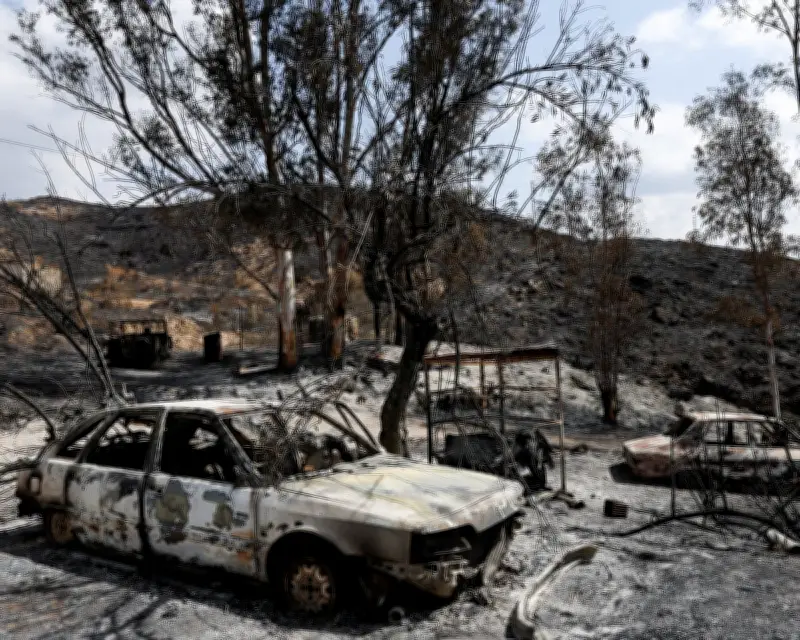
As deadly wildfires sweep across Europe, destroying habitats, property, and lives, Jane Burston, CEO of the Clean Air Fund, warns that the true devastation continues long after the flames are extinguished due to massive air pollution from black carbon soot.
Black Carbon: A Hidden Health Crisis
Wildfires emit huge amounts of black carbon—commonly known as soot—into the atmosphere. This pollutant harms human health and is a major contributor to the 7.9 million premature deaths each year linked to air pollution. For example, toxic particles from Canadian wildfires in 2023 killed an estimated 82,000 people, with pollution spreading across Canada, the United States, and Europe.
Super-Pollutant Fuels Climate Change
Black carbon is also one of the super-pollutants responsible for nearly half of current global warming. This creates a vicious cycle: each wildfire damages health and increases the likelihood of future wildfires. Burston emphasizes that breaking this cycle is possible through better fire prevention, early warning systems, and tighter regulation of super-pollutants like black carbon.
Call for Integrated Emergency Responses
Supporting local authorities to integrate forest fire management into air-quality plans is essential for faster, more comprehensive emergency responses. Burston urges action to mitigate both immediate and long-term threats posed by wildfires.




