
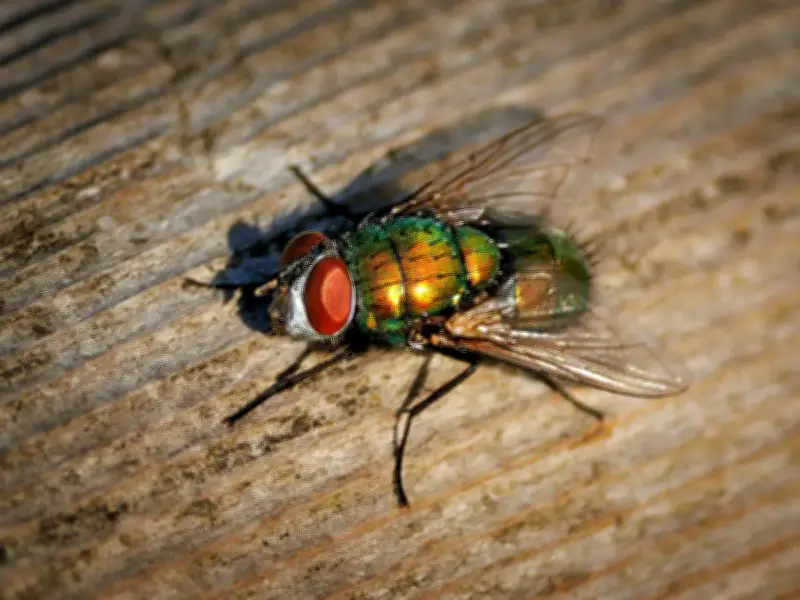
Flies are drawn to wheelie bins in gardens because of the food waste inside, and once present they deposit eggs that can turn into maggots in as little as 24 hours. Hosing down the bin only shifts some grime without tackling the persistent residue or bacteria that builds up on the plastic.
Two-step method to banish maggots
A commercial cleaning expert who runs the Instagram account @thecleangroup has shared a two-step method that, they claim, will “keep those maggots from feasting on your bin juice for good”. The first step is to get rid of any maggots already in the bin by boiling a kettle and pouring the water inside. The cleaning professionals say that “boiling water kills maggots instantly”.
After the water treatment, dispose of the maggots and, if desired, give the bin a gentle scrub with washing-up liquid. Alternatively, “a quick blast with the garden hose will do”, according to the cleaner.
Salt stops eggs and larvae from hatching
The crucial next step involves reaching for the salt in the kitchen cupboard. Sprinkle a generous handful of table salt each time the bin is emptied, because “flies hate salt”. The expert explained: “It [salt] stops any stray eggs or larvae from hatching, soaks up your bin juice and will kill any flies who eat it.”
Household rubbish frequently contains liquids from food waste, which can seep through plastic bags and pool at the base of the bin, producing foul smells that attract flies.
Newspaper absorbs drips
Alongside the salt method, the cleaning specialist advises lining the bottom of the bin with newspaper, as it “absorbs drips”. Because it is highly absorbent, newspaper placed at the base will soak up excess moisture and help keep the environment dry, reducing the likelihood of pests or bacteria taking hold.
Several sheets can be laid flat across the bottom, or a bundle can be scrunched up and placed inside. The newspaper should be swapped out on a monthly basis to keep the bin smelling fresher for longer.




