
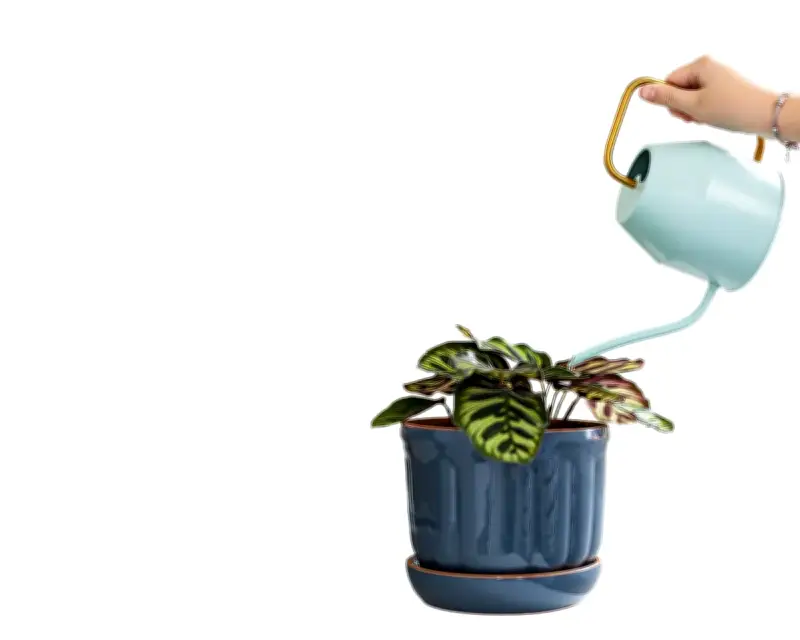
Reducing watering for houseplants in winter has become so common that many people start rationing by the calendar, giving plants just a fraction of the summer amount simply because the season changed.
Why the advice exists
The advice to cut back exists because, as light levels drop, most houseplants slow their growth, use less water, and dry out more slowly. Watering as you did in summer risks waterlogging the roots and causing rot.
From October, the recommendation is to reduce watering to half or a quarter of what you gave plants in the summer.
Testing the hack
A test on two houseplants last winter showed mixed results. A calathea in a cooler, dimmer room dried out more slowly and needed less watering, exactly as the hack predicts. But a pothos under a grow light in a warm room kept growing and started crisping at the edges and dropping yellow leaves.
The verdict
The winter watering rule is not a myth, but it is badly misunderstood. The key is to water according to what the plant is doing, not what the calendar says. Research your plant to see if it has a dormant season and check each plant before watering.
To check, push a finger a couple of inches into the compost, or lift the pot to feel its weight – a bone-dry pot is light, a wet one is heavy.




