
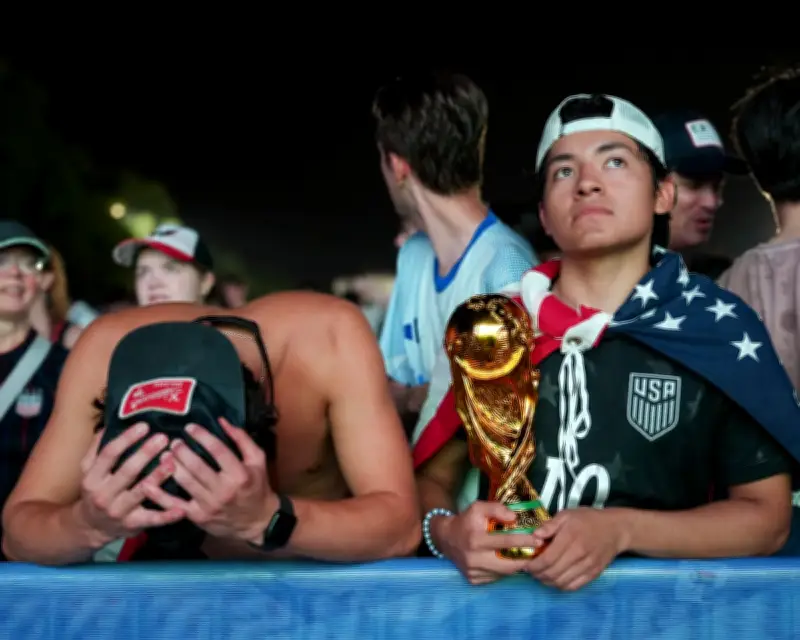
The United States men's national team had the single biggest opportunity in the history of American soccer during their home World Cup run, but they wasted it in a humbling 4-1 defeat to Belgium on Monday night. The loss came in the round of 16, ending a tournament that had attracted millions of new fans who usually ignore the sport.
Historic Context and Expectations
In the closing moments of the US's 3-2 win over Portugal at the 2002 World Cup, ESPN commentator Jack Edwards delivered a memorable monologue about the profound role World Cups play for American soccer. He spoke of the foundation laid by the 1950 team that beat England, the thousands of families who helped the sport grow, and the seven- to nine-year-old kids who would dream of something greater after hearing about the result.
Those words echoed throughout the US's run at this year's World Cup, as streets teemed with red, white, and blue on matchdays along the west coast, TV numbers soared, and young fans gathered to see their heroes. But instead of triumph, the team delivered a disjointed performance marked by missed defensive assignments, lack of poise, and a clear technical and tactical gap compared to a very good Belgian side.
The Disappointing Performance
The US struggled to create meaningful chances and were outclassed in nearly every key moment. Belgium's superior skill and organization exposed the US's shortcomings, leaving fans and pundits questioning the team's readiness for the big stage. The defeat was a stark contrast to the team's earlier performances in the tournament, including a 4-1 win over Paraguay and a 2-0 victory over Bosnia and Herzegovina in the last 32.
Millions of viewers tuned in for the match, with the previous US record for a soccer broadcast shattered at around 31 million for a similar weekday primetime slot the week before. For many, this was their first experience watching the US men's national team, and their first impression was a team that was not up to the task.
Impact on Soccer Growth
The 2026 World Cup was supposed to be a herald of the future for the US men's national team program. Instead, the tournament ended in disappointment, leaving the team back where they were: good against teams they should beat, but still waiting for a breakthrough against top-class opponents.
According to Alexander Abnos, the US wasted the single biggest growth opportunity in the history of American soccer. The team failed to inspire the new nation of potential fans who tuned in, delivering not heartbreak but total inadequacy. The question now is what happens when a generation of new fans is met with such a performance.
The defeat has sparked debate about the state of US soccer and the need for improvement at the highest level. As the team looks ahead to future tournaments, the challenge will be to regain the momentum lost in this humbling defeat and convince the millions of new fans to stick with the sport.




