British taxpayers are facing a multi-million-pound bill to tackle a potential “environmental timebomb” nearly 1,000 miles beyond the country's borders. Defence officials are prepared to spend £36 million on removing and disposing of oil from a First World War-era Royal Navy ship that sank near Estonia.
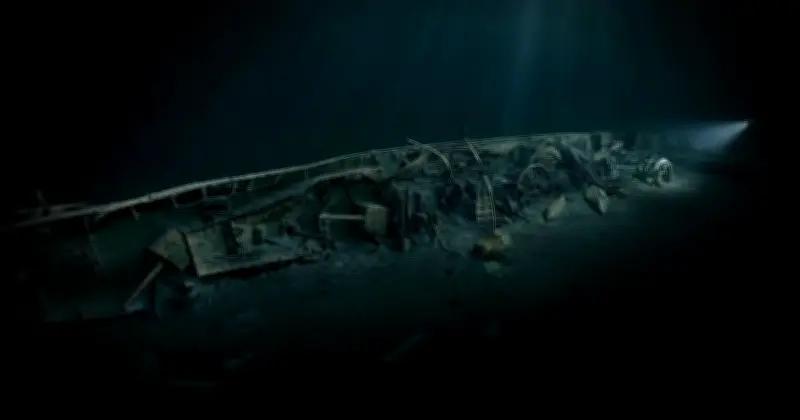
Eleven people died when HMS Cassandra hit a naval mine on December 5, 1918, weeks after the Great War ended and some 900 nautical miles from British shores. The 4,190-tonne cruiser is partly buried in the Baltic Sea seabed, around 95 to 100 metres beneath the surface.
Growing environmental concern
Scientists warn that shipwrecks from the two world wars are becoming increasingly unstable, worsened by climate change. Around 8,500 wrecks from the conflicts are believed to be dotted across the world.
At last year's UN Ocean Conference, a global group of experts called on governments to act decisively before the situation reaches “breaking point”. Project Tangaro warns that after 80 to 110 years below the waves, shipwrecks are of growing environmental concern. Some are already leaking oil into the oceans, putting marine ecosystems, vital fishing grounds and vulnerable coastal communities at risk, it warns.
Survey and next steps
Assessments of the “deteriorating” HMS Cassandra began after concerns were raised by the Estonian government, the National Armaments Director Group said. The Navy said the work, announced in 2025, could “serve as the blueprint for nations tackling a hidden environmental timebomb left by the world wars”.
The survey was carried out by the Ministry of Defence's (MoD) Salvage and Maritime Operations team (SALMO), which manages potentially-polluting British wrecks. The experts were due to determine how much oil and other pollutants could still be on board the vessel. It is not clear how much oil was found, but the vessel was capable of carrying hundreds of tons.
HMS Cassandra was travelling to the capital Tallinn to support Estonian efforts to break away from Bolshevik rule when it hit a mine near the island of Saaremaa. Most of her 400-strong crew survived.
The National Armaments Director Group, part of the MoD, is inviting suppliers to outline how they would remove and dispose of oil from tanks on HMS Cassandra's port side and stern. A formal tender process is yet to have been launched. The MoD declined to comment.