
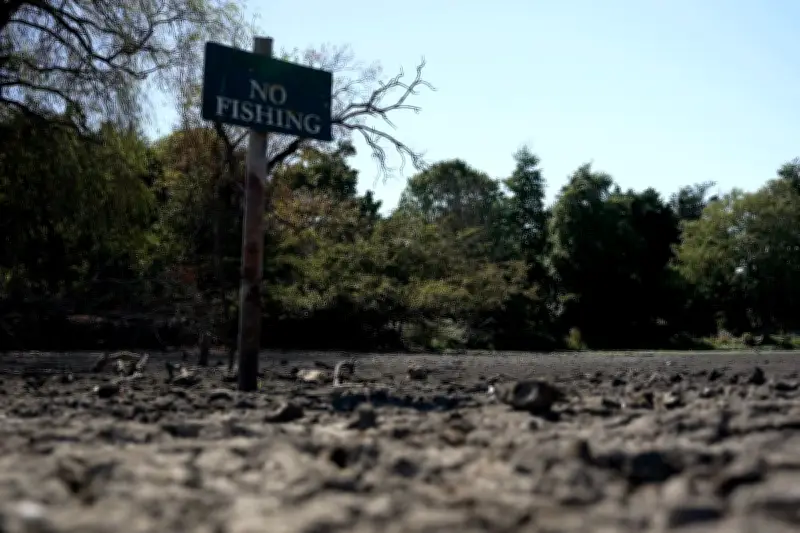
A key Government adviser has warned that the UK's current heat and drought conditions are "as good as it gets" without significant action to reduce climate emissions. Baroness Brown, who chairs the independent advisory Climate Change Committee's adaptation work, called for measures to help the country cope with more extreme weather brought by rising global temperatures.
These measures include grants for vulnerable families to install air conditioning and cooled libraries stocked with toys for mothers and children to escape overheating flats. However, the cross-bench peer warned that conditions "get worse from here" until greenhouse gas emissions—mostly caused by burning fossil fuels in power plants, vehicles, home heating, and industry—are cut to net zero.
Emergency Response and Warnings
The warning comes as the Prime Minister prepares to chair an emergency Cobra meeting on the crisis, amid drought and as parts of central, east, and southern England face a rare amber warning for extreme heat on Thursday, with temperatures set to peak as high as 38C.
In a stark warning to politicians and others lobbying to water down commitments to reach net zero by 2050, or claiming that the answer to the climate crisis is simply to adapt, she said: "We need to remember that this is as good as it gets. It gets worse from here. Until we get to net zero, things go on getting worse. This isn’t the worst we can expect, this might be the best we can expect."
She added: "People keep saying we’ve got to get used to this being the norm, but we don’t get a norm until we get to net zero, because we’re on a continuous path of the weather getting more extreme until we get to net zero. Until we stop burning fossil fuels, then this is the best it’s going to be."
Current Impact and Future Risks
She issued the warning as 27 million customers are under hosepipe bans, with the whole of Wales and nearly three quarters of England in drought, while Southern Water has applied for a rare order that would ban businesses from non-essential water use.
The summer has seen multiple heatwaves, which have likely caused a record number of heat-related deaths, ambulance services have seen record call-out days, schools have closed in the heat, rail lines have buckled, and train services have been cancelled or delayed. Baroness Brown also pointed to farmers warning of hits to milk yields and harvests, and the Europe-wide impact on food production likely to put up prices.
"The evidence is screaming at us that we have to do something," she told the Press Association.
Adaptation and Investment
The Climate Change Committee's "Well Adapted UK" report, published earlier in the summer, warns the UK needs to start preparing for 2C of global warming by 2050—compared to around 1.3C today—which Baroness Brown said is "probably the best we could hope for."
She said there was a need for more reservoirs, easing planning rules to make it easier for farmers to build storage that could fill up in wetter winters and use for irrigation in dry summers, and the new water regulator must focus on tackling leaks and helping households reduce water use.
Hospitals and schools need appropriate cooling systems, and vulnerable households will need support to keep cool—much of which is likely to be air conditioning, she said. She reiterated her call for a rethink of the school year so that young people were not sitting important exams at the hottest time of the day, when they may not have been able to sleep in tropical nights. She also warned that sporting events such as the London Marathon and Wimbledon tennis championships were having to consider whether they needed to move their timings.
Action to stop things getting worse for the UK on water, heat, and flooding would cost about £11 billion a year split between public and private sources, according to estimates from the committee. But it estimates climate change is already costing up to 2% of GDP a year—up to £60 billion—in impacts from flooding damage to failing harvests, and that could rise to 5%, or £260 billion by 2050.
Baroness Brown said £11 billion would be a very good return on investment, adding: "It’s a time when the Government is very pressurised in terms of spending, but this is spending that makes a difference for people."
She pointed to the dangers of soaring heat on people's health, with temperatures of 48C possible in south-east England in the future without action to cut global emissions to net zero, and warned "we can't keep adapting." She said she was giving the new Government led by Prime Minister Andy Burnham "the benefit of the doubt" at the moment, and said departments had been told they have to plan for 2C of warming by 2050.
But the UK could not keep treating extreme weather with an emergency response every other year, she said, adding "it's got to become how we normally behave," with the country ready for the droughts, floods, and high temperatures that it is increasingly suffering from.




