
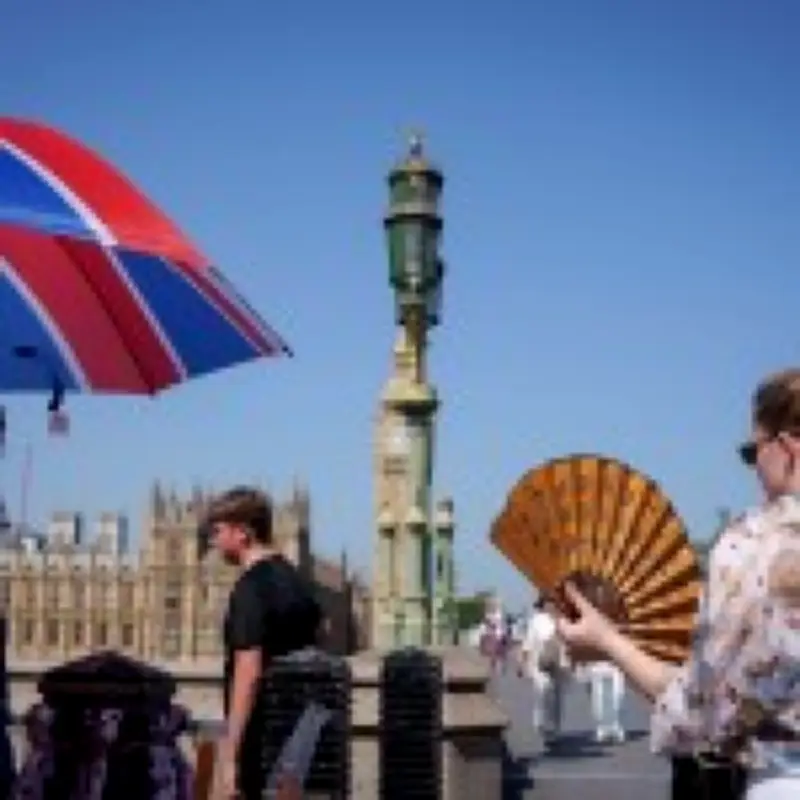
At least 2,700 people have died from excess heat in the UK this summer, according to figures from Imperial College, with the June heatwave alone causing around 440 deaths per day at its peak. The crisis has disproportionately affected older people in poorly insulated flats, those with heart and lung conditions, disabled people, outdoor workers, and the homeless.
Widespread Impact Across Society
Research carried out for Greenpeace last week revealed that nearly a quarter of people had someone in their household who felt physically unwell due to the heat. Six in ten workers reported their workplace was too hot to bear, and nearly one in ten called it unsafe. Almost a quarter of households had to throw away food that spoiled in the heat. More than half of respondents said their homes need serious upgrades to cope with future heatwaves, but most could not afford the improvements.
Calls for an Extreme Heat Strategy
Greenpeace is urging the Government to publish an Extreme Heat Strategy that includes protections for workers who currently have no legal right to stop work in dangerous heat, upgrades for schools to prevent classrooms from becoming saunas, and funding to heat-proof hospitals, care homes, and public housing. When asked, almost half of those surveyed supported a levy on the highest-emitting companies to fund such measures.
Fossil Fuel Reliance Under Fire
The article argues that the root cause of the extreme weather is the UK's continued dependence on fossil fuels. It criticizes political moves toward more North Sea drilling, noting that soon-to-be Prime Minister Andy Burnham may be open to the idea. The Met Office has projected that by 2056, days of 45°C could become the new normal in the UK. Southern Europe has already experienced thousands of heat-related deaths, overwhelmed hospitals, and wildfires in areas previously unaffected. India has seen extreme heat making outdoor labour dangerous for millions.
A National Emergency Hiding Behind Small Talk
The author, Ross McCafferty, calls for a shift in how the nation discusses weather: from idle chat to a matter of life and death. He emphasizes that every death and disruption can be linked to political choices to continue burning fossil fuels, and that those choices can be reversed with a government willing to treat the crisis as an emergency.




