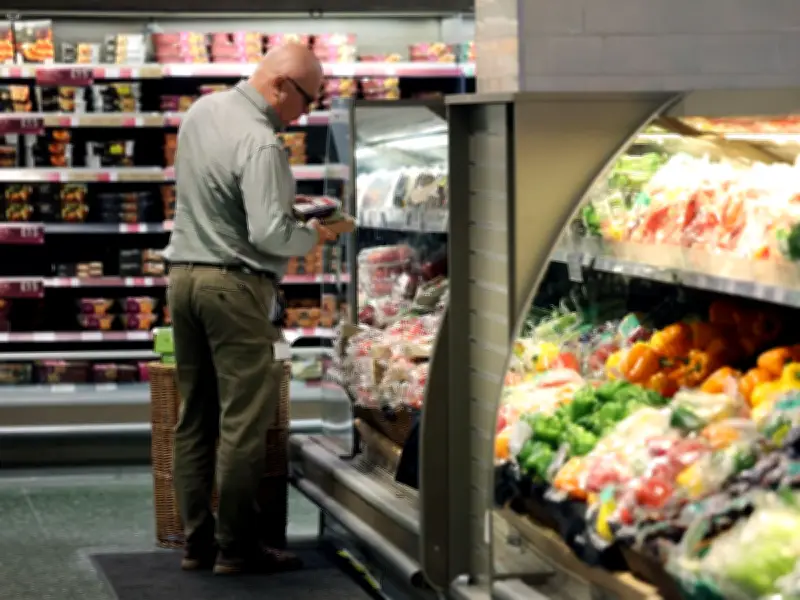
Britain's prolonged drought and record heatwaves are putting food supplies at risk, with farmers warning of potential shortages and price increases. The National Farmers' Union (NFU) has called for tax breaks on water storage systems, while experts highlight the vulnerability of vegetables and fruit to climate shocks.
Drought Conditions and Their Impact
England and Wales experienced their driest July on record, with southern England seeing its driest month ever, according to provisional Met Office data. Half of England is now in drought conditions, the third in five years, following four heatwaves this year. This has scorched lawns and left farmers with poor harvests.
Alys Bannister, Campaign Manager for the Sustainable Farming Campaign at Sustain, told the Mirror: "Effectively, this drought is low rainfall over a prolonged period, multiple heatwaves, that is increasing evaporation, which means soil moisture is drying out. It is climate change that is increasing the likelihood and the severity of this extreme weather." Dr Charlie Taverner, Farming Policy Lead at Food, Farming and Countryside Commission (FFCC), added that decades of underinvestment in water storage have worsened the situation.

Which Foods Are at Risk?
Cereal crops like wheat and barley may see reduced yields, but global markets mean bread shortages are unlikely. However, water-intensive vegetables such as cucumbers and leafy greens could face disruption. Dr Taverner noted: "We only produce about half of our vegetables, and about a sixth of our fruit, so that it's probably in those areas that we also kind of get affected by global shortages."
Will Prices Rise?
Anna Taylor, Executive Director at the Food Foundation, said climate shocks have already spiked cocoa prices. The Office for National Statistics (ONS) reported in January that chocolate prices soared by 15 per cent after a stable 25-year period, due to poor yields in Côte d'Ivoire and Ghana. Combined with Middle East conflict, these shocks create "a double problem" for food prices and availability. Britain is less than 60 per cent self-sufficient in vegetables and salads, a figure that is declining.
When Could Shortages Happen?
Dr Taverner does not foresee immediate shortages but warns: "What we need to be concerned about is the years to come as this becomes more and more normal because we might think we're okay today, but the challenge and the potential shortages could come in years ahead."
What Can Shoppers Do?
Chelsea Kerr, MD of Too Good To Go UK & Ireland, advises against "panic buying" and encourages creative use of existing ingredients to cut waste. The Food Foundation recommends beans, pulses, and legumes as affordable, nutritious alternatives to meat. Anna Taylor highlighted the "Bangin' Some Beans" campaign, suggesting adding beans to dishes like Bolognese to stretch budgets.
Helping Farmers Adapt
An NFU survey found 70 per cent of farmers reported increased heatwaves and heat stress. NFU Deputy President Paul Tompkins said it is becoming "harder, riskier and more costly to produce the nation's food." He urged government action on water access, reservoirs, and planning changes. Anna Taylor called for public procurement to favor local British food, while Sustain promotes "agroecological" farming to improve soil water retention. Alys Bannister concluded: "If we adapt farming, we are in a better place. We know this extreme weather is going to keep happening, so building adaptation and resilience in our farming means we are more resilient to future shocks."