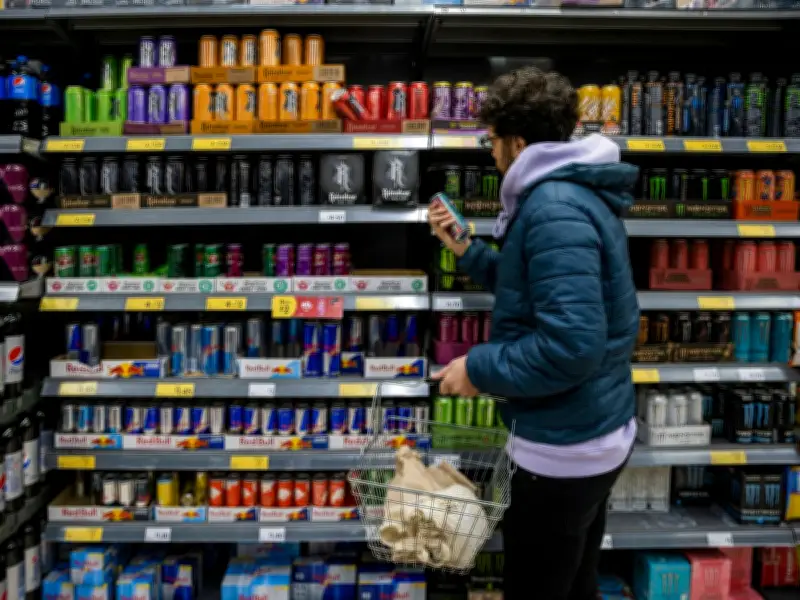
The Department of Health and Social Care has announced a total ban on selling energy drinks to anyone under the age of 16 from April 2027. Adults may need to prove their age when purchasing these high-caffeine beverages, as retailers are expected to implement age verification checks similar to existing policies for alcohol and tobacco.
Current Voluntary Policies May Become Mandatory
Many supermarkets and stores already voluntarily restrict energy drink sales to minors. Sainsbury’s Think 25 policy, for example, requires staff to check the age of anyone buying restricted products who appears under 25. This includes online purchases and collections. The new legislation will likely mandate similar procedures across all retailers.
Accepted proof of age at Sainsbury’s includes current passports or national identity cards with photo and date of birth (all nationalities), current photographic driving licences or provisional licences, Northern Ireland electoral ID cards, UK military IDs with photo and date of birth, and cards with a PASS logo such as Citizen, Connexions, Validate or Young Scot.
Retailers Face Fines for Non-Compliance
Once the ban comes into force, retailers will be responsible for ensuring restricted products are not sold to under-16s. Local authorities will enforce the ban and can issue fines of up to £2,500 for businesses that break the law. The legislation is still subject to Parliamentary approval, and final enforcement details are yet to be announced.
Education Minister Olivia Bailey said: “This ban will protect children from high-caffeine energy drinks that undermine their health and focus in the classroom, so they can make the most of all the exciting opportunities ahead of them. It will go hand in hand with our overhaul of school food for the first time in over a decade, to ensure children across the country have delicious, nutritious food that helps them thrive.”
Scope and Exceptions of the Ban
The ban applies to drinks containing more than 150mg of caffeine per litre and covers all retail settings, including shops, vending machines, websites, and online platforms. Exceptions include business-to-business sales and traditional tea and coffee sales, which also contain caffeine but are not classified as energy drinks.
The announcement follows a consultation with over 1,000 respondents, of whom 90% agreed with the proposals to ban energy drink sales for under-16s. Those who disagreed were mostly from the vending sector, energy drink manufacturers, or trade organisations representing affected businesses.