
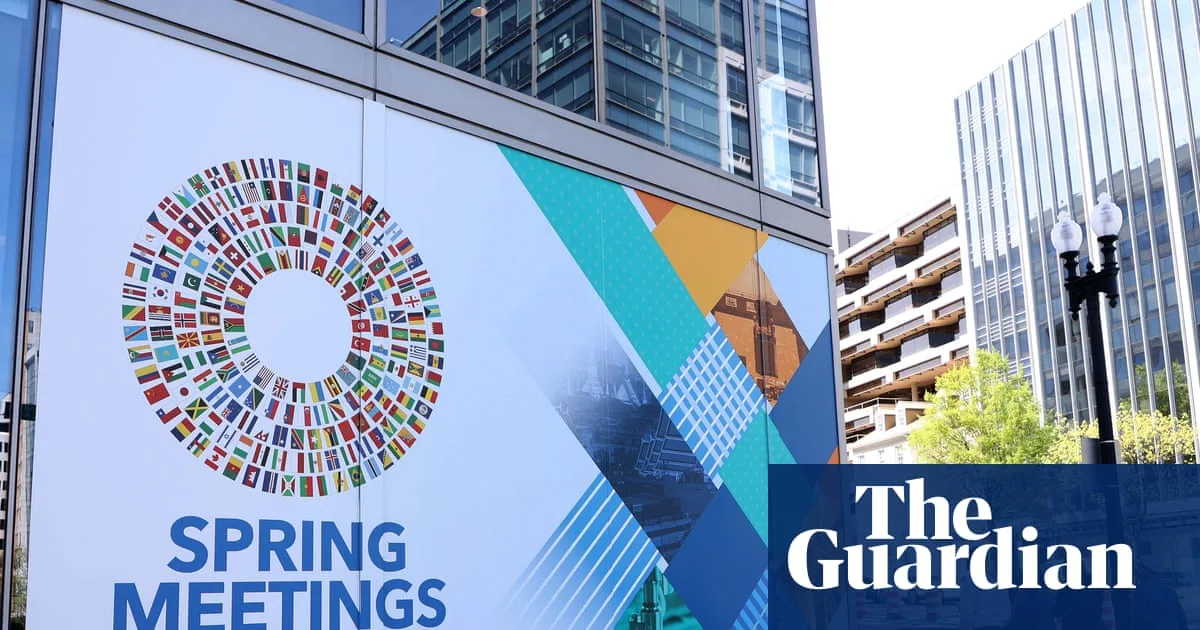
Developing countries face a 'beyond absurd' situation at this week's IMF and World Bank spring meetings in Washington DC, as the US administration pressures nations to downplay climate change discussions despite the ongoing oil crisis. The Guardian reports that the White House is effectively forcing countries to choose between risking a rift with the US or sidelining green priorities.
The meetings were expected to forge a new 'climate change action plan' (CCAP) for the World Bank, the largest provider of funds to developing nations, but the plan may now be shelved. Insiders say the US Treasury secretary, Scott Bessent, has demanded the removal of some climate finance targets and insisted on an 'all-of-the-above' energy approach that includes fossil fuels.
Senior staff at international finance institutions report that the US has piled pressure on the World Bank, IMF, and other publicly funded bodies, leading to 'self-censoring' where the term 'climate' is being removed from reports and projects. Some leading countries are reluctant to push for a new CCAP, which experts say would be disastrous for the developing world.
Mohamed Adow, director of Power Shift Africa, called the situation 'beyond absurd', noting that the oil crisis presents an opportunity to accelerate the shift away from fossil fuels. Catherine Abreu of the International Climate Politics Hub warned that the spring meetings will test whether the World Bank and IMF can respond to the majority of their members or be swayed by powerful minorities.
The World Bank's current CCAP aims to devote 35% of funding to climate activities and has moved to end most fossil fuel finance, though loopholes remain. At COP29, countries agreed that at least $1.3tn a year should flow to developing nations by 2035, with $300bn from developed countries, a target that relies heavily on the World Bank.




