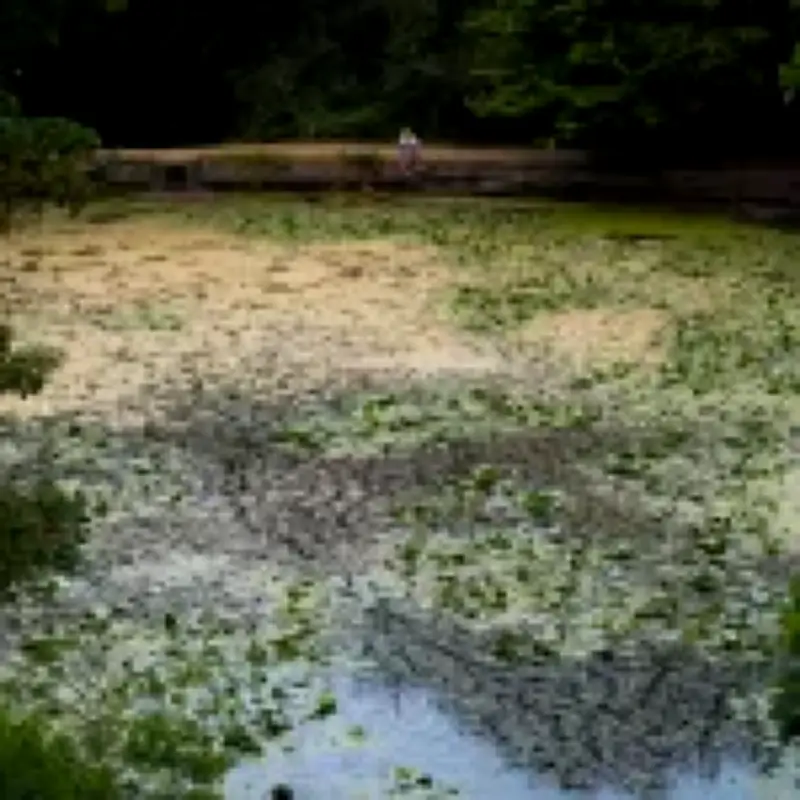
The Environment Agency has issued a warning against swimming in the water in Kingston upon Thames due to pollution from toxic algae. The caution also applies to a broader stretch of the river likely affected by the algae, and the agency stressed it is 'vitally important' to keep dogs away.
Health Risks from Blue-Green Algae
The blue-green algae can produce toxins harmful to human and animal health. Cyanobacteria, plant-like organisms that live in water, can quickly grow out of control, typically blooming when warm temperatures, low rainfall, and calmer water conditions create ideal growing conditions. Some blooms produce toxins that can kill wild animals, farm animals, and pets, and can also harm people, causing skin rashes and illness if swallowed.
According to the Environment Agency, during drought and prolonged dry weather, it has reported increasing numbers of algal blooms, fish deaths, and deteriorating water quality. Currently, around three-quarters of England is in drought following five heatwaves and temperatures exceeding 38.1C.

Official Response and Advice
A spokesperson for the Environment Agency said: 'We have identified blue-green algae on the lower River Thames, including the Ham and Kingston designated bathing water. We are working with the Royal Borough of Kingston upon Thames, who have put signage in this location to warn people that it is not safe to swim. An advice against bathing notice has been activated on the Swiminfo website.'
The spokesperson also warned that the section of the River Thames between Hampton and Kingston had likely been affected. 'It is important that members of the public do not enter the Thames along this stretch. It is also vitally important to keep dogs out of the water,' they urged.
The Environment Agency is taking water samples along the stretch of river to confirm the extent of the algal bloom. Abstractors downstream and the UK Health Security Agency have been notified. The Ham and Kingston bathing site opened in May as the first designated bathing water on the river in London and is subject to regular water tests during the summer season until the end of September.