
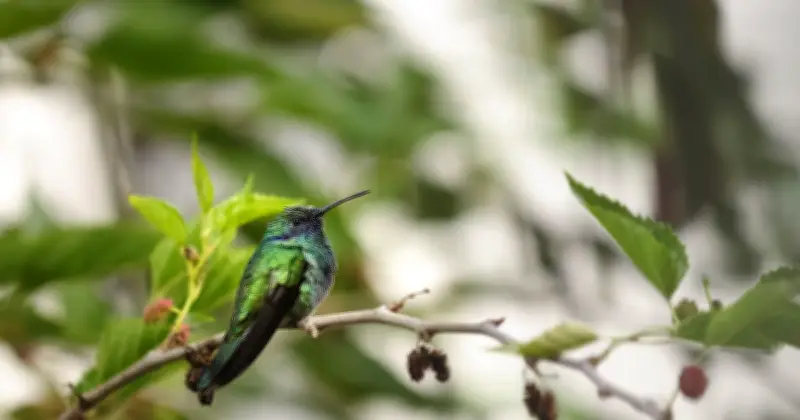
The RSPB has warned that overfilling bird feeders during July's hot weather can harm birds, as leftover food spoils quickly and spreads diseases like Trichomonosis. Instead, they recommend putting out smaller amounts of food more often, and cleaning feeders weekly with warm, soapy water.
Risks of Leaving Food Out in Summer Heat
According to the RSPB, food left in warm conditions rots faster, increasing the risk of disease transmission through contaminated feeders and bird baths. Trichomonosis, a parasitic disease, can be fatal to birds like finches and doves.
How to Feed Birds Safely in July
Experts advise offering fresh food little and often, rather than topping up feeders with large quantities. Bird baths should be emptied and refilled with fresh tap water daily to keep them clean. Placing stones around water sources gives butterflies and insects a safe perch to drink.
Other Tips for a Wildlife-Friendly Garden
Letting parts of your garden grow wilder—leaving patches of longer grass, allowing hedges to thicken, or creating leaf piles—provides shade for birds and insects. Dense shrubs offer cooling shelter, while damp, shaded areas attract frogs and toads. These simple adjustments can encourage more species to visit throughout the summer.




