
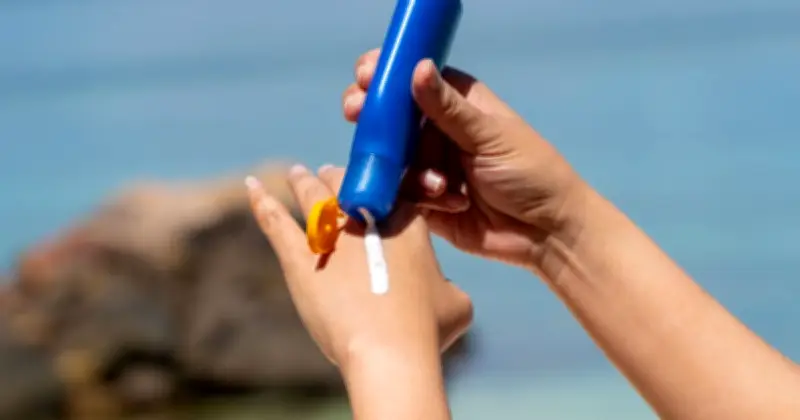
With more hot weather on the way, it is important to keep yourself safe from the sun. Temperatures are forecast to rise above 30C in some parts of the UK this week, prompting many to head outdoors. However, sun safety is essential, and understanding sunscreen labels can be confusing.
Understanding UVA and UVB Rays
The sun emits two types of ultraviolet rays: UVA and UVB. UVA rays are powerful and present even on cloudy days. They can penetrate glass and clouds and reach deep into the skin, causing long-term damage such as wrinkles, sunspots, and skin cancer. UVB rays are primarily responsible for sunburn and skin reddening. Although they do not penetrate as deeply, they are equally damaging and contribute significantly to skin cancer development.
What Does SPF Mean?
SPF stands for sun protection factor and indicates the level of protection against UVB rays. For example, if you usually burn after 10 minutes, an SPF 15 sunscreen would theoretically protect you for 150 minutes. However, this is a theoretical estimate. In reality, protection diminishes due to sweating, movement, and friction from clothing. Therefore, it is crucial to reapply sunscreen every two hours, regardless of the SPF level.
Choosing the Right Sunscreen
According to the NHS, you should look for a sunscreen with an SPF of at least 30 to protect against UVB rays and a UVA protection rating of at least four stars. UVA protection may also be indicated by the letters "UVA" in a circle, which meets EU standards. Sunscreen alone is not sufficient; during the hottest part of the day, it is advisable to stay in the shade. Additionally, wear sunglasses and a wide-brimmed hat to protect your face and neck.
Stay safe and enjoy the sun responsibly.




