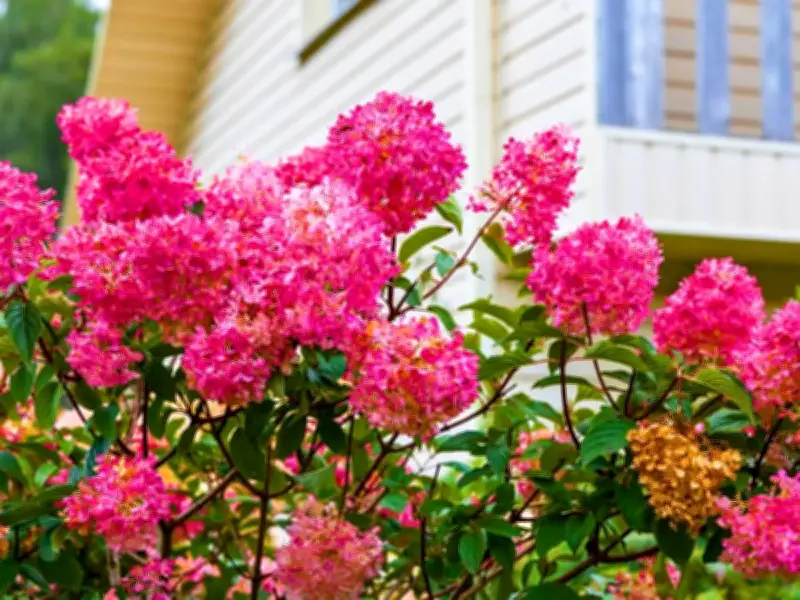
Gardeners can protect hydrangeas from winter damage and secure a better display of blooms next year by carrying out a single task in October: mulching the plants with fallen leaves. The advice comes from Jessica Walliser of Savvy Gardening, who said the method insulates the roots against cold weather.
Why October mulching matters
October typically offers mild enough conditions for light garden maintenance, but the first frost is expected to appear across parts of the country within the coming weeks. Hydrangea roots sit close to the surface, making them especially vulnerable to harsh conditions. If those roots are repeatedly exposed to cold, they can sustain damage, leaving plants struggling to flower in spring or even dying back altogether.
Walliser described the technique as straightforward and cost-free, using leaves already present in the garden. “Fall mulching of hydrangeas leads to well-insulated roots that can better survive weather extremes and the ups and downs of freeze-thaw cycles,” she said.
How to apply mulch correctly
Mulching involves placing a layer of material around a plant to form a natural barrier against extreme weather. Gardeners apply it as temperatures drop to shield the ground from repeated freezing and thawing, which can cause cold damage by saturating the soil with icy water.
Walliser advised: “Do not over-apply mulch (two to three inches is plenty), and do not pile it up against the plant's base or trunk. Make a doughnut shape of mulch around your hydrangea. You can also use shredded fall leaves for this job.”
Making and using leaf mould
Autumn is an ideal time to mulch hydrangeas because fallen leaves are abundant. Leaf mould insulates the roots, prevents temperature fluctuations and stops the ground from repeatedly freezing. It also adds nutrients to the soil while remaining gentle, keeping roots healthy through winter.
To make leaf mould, gather fallen autumn leaves and place them in a large plastic garden bag, piercing holes in the sides and base for drainage. A compost bin can be used, though leaves take considerably longer to break down than standard compost, so a separate bin is advisable. Shredding the leaves with a lawnmower first can help. Leave the bag or bin in a moist, warm corner of the garden to speed up decomposition.
Once ready, scatter the leaf mulch in a ring around the hydrangeas, two to three inches deep into the soil around the root area. Avoid piling it up or letting it touch the stems, as this can saturate the ground and lead to rot. Distribute it a few centimetres away in a doughnut shape, topping up periodically when it looks sparse. This should provide sufficient protection for the hydrangea through the colder months.