The Scottish Association for Marine Science (Sams) has appointed the ocean as a board trustee, ensuring that the marine environment has a formal voice in strategic decisions. The initiative, which took effect last month, marks a significant step in integrating the rights of nature into corporate governance.
Background and Motivation
Sams, founded 140 years ago during the Scottish Enlightenment, historically viewed nature as something to be exploited. Director Nick Owens, a marine scientist, recognized a shift in awareness about human impact on the planet but felt that ethical decisions remained anthropocentric. Inspired by Indigenous cultures in North America that emphasize a strong connection between people and the environment, Owens decided to grant the ocean a seat at the board table.
Implementation and Representation
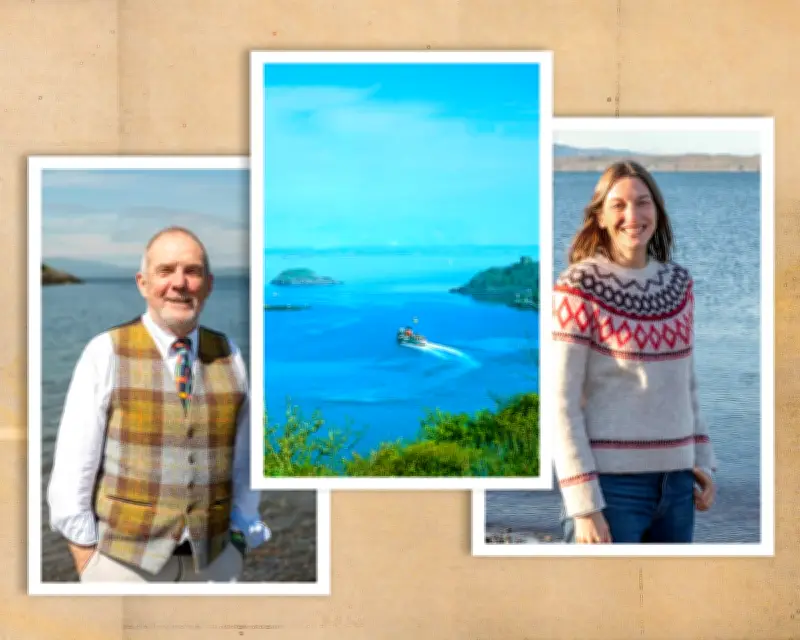
The ocean is now represented by a single trustee, environmental lawyer Helen Mitcheson, who has a background in marine mammal science at Pinsent Masons. She participates in all board discussions but does not hold veto power. The definition of "ocean" was carefully crafted to include the planet-wide ocean, seabed, and parts of the airspace above, excluding human activities. Mitcheson noted that during the first meeting, she had to intervene after 20 minutes of discussion without any mention of the ocean, highlighting the need to embed the concept fully.

Precedents and Movement
Sams is not the first to adopt this approach. In 2022, eco beauty manufacturer Faith in Nature became the first company to give nature a formal vote on corporate decisions. Brand director Simeon Rose reported that this led to tangible changes, such as sourcing more ethical ingredients like essential oil from orange juice waste and tea tree oil from koala corridor areas. About 25 organizations have since followed suit in Britain, France, Belgium, the US, and Australia. A French Green party MP recently proposed a law requiring nature representation on large company boards.
Potential Impacts and Challenges
Owens acknowledged that giving the ocean a voice could lead to rejecting lucrative contracts or reconsidering partnerships with industries like aquaculture. He emphasized that decisions would be objective, transparent, and fact-based, while representing the ocean's viewpoint. To avoid accusations of greenwashing, the ocean trustee's remit is being added to Sams' constitution, formalizing its role in decision-making. Staff have already begun asking, "What would the ocean think about this?" during meetings.
Future Outlook
Owens believes that capitalism and industry, which contributed to environmental degradation, can also help solve it. He predicts that within a decade, having nature represented on boards will become common practice. The initiative may also attract philanthropic funding and help Sams adopt a more sustainable approach overall.