
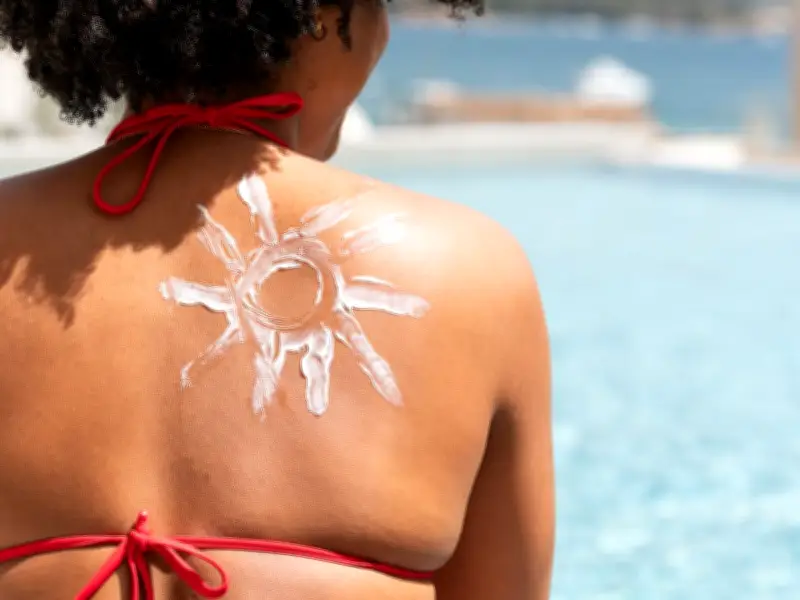
As summer arrives and temperatures rise across the UK, many Brits are reaching for sunscreen. However, even the most careful sunbathers may be neglecting one crucial area: the scalp. The skin on the scalp can burn just like any other part of the body, increasing the risk of skin cancer as UV rays damage skin cells. Moreover, while people are vigilant about checking moles on visible areas, they often forget to examine their scalp for early signs of skin cancer.
Scalp: An Overlooked Area for Sun Protection
Dr Conal Perrett, Consultant Dermatologist at The Devonshire Clinic, emphasizes that the scalp is one of the most overlooked areas for sun protection. It is particularly vulnerable for individuals with thinning hair, wider partings, or bald patches. Many people assume their hair provides complete UV protection, but this is not true. Even those with thick hair can experience sunburn along their parting, crown, or hairline.
Skin Cancer on the Scalp
The expert warns that skin cancers, including melanoma, can develop on the scalp. Because the area is covered by hair, suspicious lesions may go unnoticed longer than on more visible areas like the face, neck, or arms. People tend to check moles on exposed areas but rarely examine their scalp, potentially delaying diagnosis.
Symptoms of Scalp Sunburn
- Flaking
- Tenderness when brushing or washing hair
- Itching
- Redness on the hairline
- Irritation on the scalp
- Warmth on the scalp
- Blistering, swelling, and headaches in severe cases
The main difference between dandruff and scalp sunburn is that dandruff is a recurring condition developing over time, while scalp sunburn occurs shortly after UV exposure and is temporary. Dr Perrett advises that severe burns may require medical assessment if symptoms worsen rather than improve.
Hair Damage from UV Exposure
The dermatologist notes that sun damage can also affect hair, weakening the hair shaft and leading to dryness, brittleness, and breakage. Protecting the scalp helps protect hair as well. If you have a sunburned scalp, avoid shampoos or hair products with irritating ingredients. Use fragrance-free and sulfate-free products, and apply fragrance-free after-sun or aloe vera gel to soothe discomfort.
Recovery and When to Seek Medical Advice
Avoid scratching, picking, or peeling the skin, and refrain from using heat styling tools. If you must go back into the sun, protect your healing scalp with a hat or avoid prolonged exposure until the skin recovers. Seek medical advice if sunburn lasts longer than a few days or if you experience blistering, significant swelling, severe pain, fever, chills, dizziness, nausea, or signs of infection.




