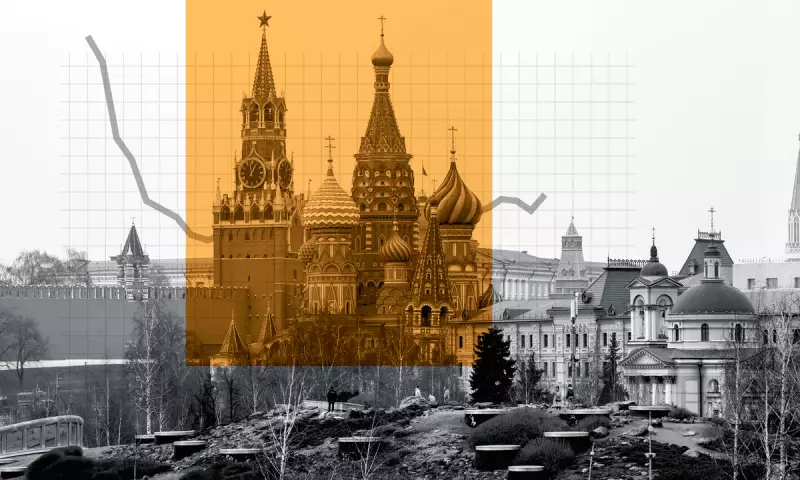
While nations worldwide ramp up efforts to combat climate change, Russia's approach remains conspicuously stagnant. The world's fourth-largest emitter continues to drag its feet on implementing substantial environmental reforms, raising alarms among climate scientists and policymakers alike.
A Reluctant Participant in Global Climate Efforts
Despite signing the Paris Agreement in 2019, Russia has shown little urgency in meeting its commitments. The country's climate policies remain largely symbolic, with minimal investment in renewable energy and continued reliance on fossil fuels.
The Economic Paradox
Ironically, Russia stands to suffer disproportionately from climate change. Melting permafrost threatens infrastructure across Siberia, while changing weather patterns could devastate agricultural regions. Yet economic dependence on oil and gas exports appears to outweigh environmental concerns in Moscow's calculations.
Domestic Pressure Mounts
Environmental activists within Russia face increasing challenges:
- Stringent laws limiting protest
- Limited media coverage of climate issues
- Corporate interests influencing policy
Despite these obstacles, grassroots movements continue to push for change, particularly among younger generations increasingly concerned about their environmental future.
International Implications
Russia's climate inaction carries global consequences:
- Arctic melting accelerates without Russian cooperation
- Carbon emissions continue unchecked
- Global climate targets become harder to achieve
As the UN warns of narrowing windows for action, the world watches to see if Russia will finally step up as a responsible environmental actor or remain a climate outlier.