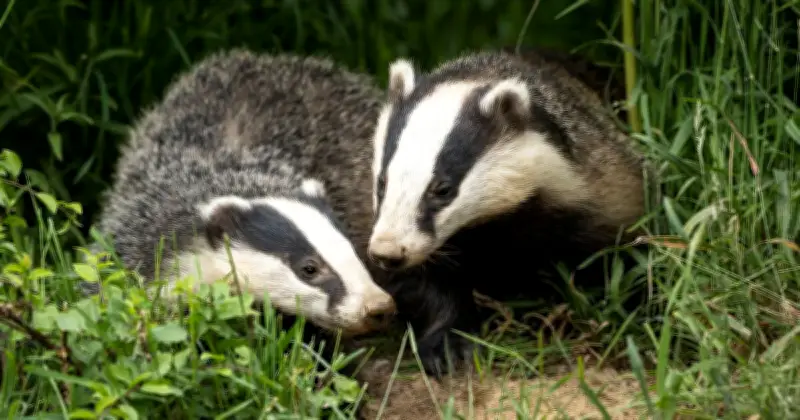
The RSPCA has issued advice on how to support local wildlife such as foxes, badgers, and hedgehogs during the particularly dry conditions this summer.
RSPCA wildlife expert Rebecca Machin said: "The extreme heat can affect a wide range of animals, including wildlife. Droughts harden the ground making it difficult for animals to find food, and water sources can dry up."
Little Changes for a Big Impact
Ms Machin said: "You could help wildlife struggling in the weather by creating a wildlife water station, leave food out for hungry hedgehogs, or even plant flowers for pollinators to help bees, beetles and butterflies thrive. If we all make little changes we can have a big impact on the lives of the animals we share our world with, and together we can create a kinder world for all animals."

The RSPCA is running a Summer of Kindness campaign, encouraging people to think about ways to help their local wildlife and ecosystem.
Food and Water Tips
Putting out some food and water will be greatly appreciated by passing wildlife. The expert said a good option is meat-based tinned dog or cat food, as this is safe for hedgehogs, foxes and badgers to eat.
However, you should be mindful of how long you put out food. Ms Machin said: "Leaving food out too long could risk it going off in the heat, particularly things like meaty cat/dog food." She said you should also replace any drinking water you put out "each day".
The best place to put food and water is in shady areas, as this means water is less likely to evaporate and food will stay fresh for longer. This way animals will also be in the shade when they are feeding and drinking.
What Else Can You Do to Support Wildlife?
Ms Machin shared more tips for arranging outdoor spaces to help animal friends:

- Avoid lighting fires or using disposable barbecues - which are temporarily banned - or anything that could create a spark, as there is an increased risk of fire due to the dry grass
- Always properly tidy up litter and dispose of it responsibly
- Leave out fresh drinking water in shallow trays, and include stones so insects can drink without drowning
- Leave out food that is appropriate for whatever animals visit your garden
- Regularly clean bird baths and bird feeders to avoid the risk of disease transmission, particularly between May and October when there is a higher risk of spread
- Create appropriate shelter such as a hedgehog house or toad house, or put up a bird box
- Create safe routes for animals to move between gardens, like a hedgehog highway, by cutting a small hole in the base of your fence or digging a little tunnel under the garden boundary, if your neighbour is happy with this
- Observe from a distance - remember to give wild animals space so as not to startle them
- If you see a public pond that is getting low, report this to the Environment Agency.