
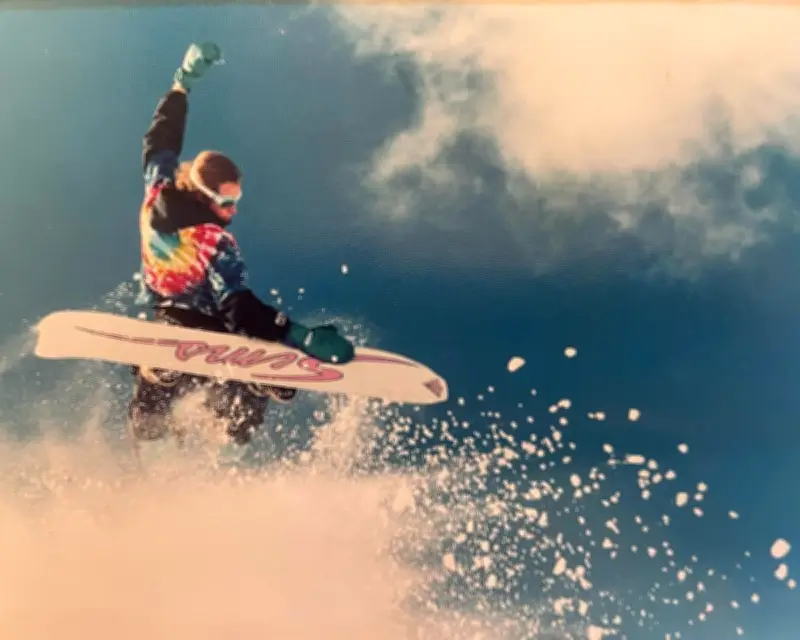
Australian ski resorts, once a haven for beginner skiers and snowboarders in the 1980s and 1990s, are increasingly out of reach for many due to rising lift ticket prices, accommodation costs, and the impacts of global heating. Dan Burke, who frequented Mount Hotham in the 1980s, recalls a time when the sport was more egalitarian, with communal lodges and affordable access. Today, lift tickets at Vail-operated resorts like Hotham, Perisher, and Falls Creek cost around $180-$220 per day, and accommodation has become prohibitively expensive.
Historical Accessibility and Changes
In the 1980s and 1990s, Australian skiing experienced a boom in beginner-friendly options. Snowboarding gained popularity, and parabolic skis made it easier for novices. Burke describes snowboarders as "knuckle-draggers" by skiers, but the sport attracted a diverse crowd, including those from lower socioeconomic backgrounds who could find work on the mountains. Marcus Lovett, the first Australian to compete in Olympic freestyle skiing in 1988, recalls learning on Mount Buffalo's modest slopes, now reduced to a toboggan run due to bushfires and climate change.
Pricing Out Families and Workers
Lift ticket prices have surged past $100, a threshold Lovett noted in the early 2000s when hosting a skiing TV show. He realized the sport was becoming prohibitive for average Australians. A proposed class action in the US alleges Vail and other operators set high day-ticket prices to steer customers into season passes. Meanwhile, accommodation costs have risen, with many lodges converted to commercial properties. Body corporate fees, driven by extreme weather and insurance costs, further burden remaining lodges. Workers have been priced off mountains, relocating to distant towns, diminishing mountain nightlife.
Climate Change Impact
Global heating has reduced the ski season, once from June to September, to a few slushy weekends in some years. Resorts like Mount Buffalo have lost ski lifts entirely. Thredbo and Perisher now compete for day visitors, but season passes lock customers into one resort. Chartered bus trips for schools and businesses have declined due to fewer affordable lodges and higher costs. Mary Thorpe, who enjoyed a school trip to Perisher in 1991 for about $500, now finds skiing too expensive, opting for New Zealand glaciers instead.
Future of Australian Skiing
Some young enthusiasts still fund snowboarding by working at resorts, enjoying discounts on accommodation and lift tickets. Lovett notes that the marketing strategy was to hook people young, hoping they would return with families. However, with affordable flights and passes to Japan, China, and New Zealand offering more reliable snow, Australian resorts risk losing the next generation. Lovett's own children chose skiing over a trip to Europe this year, but he worries about the future of home mountains.




