
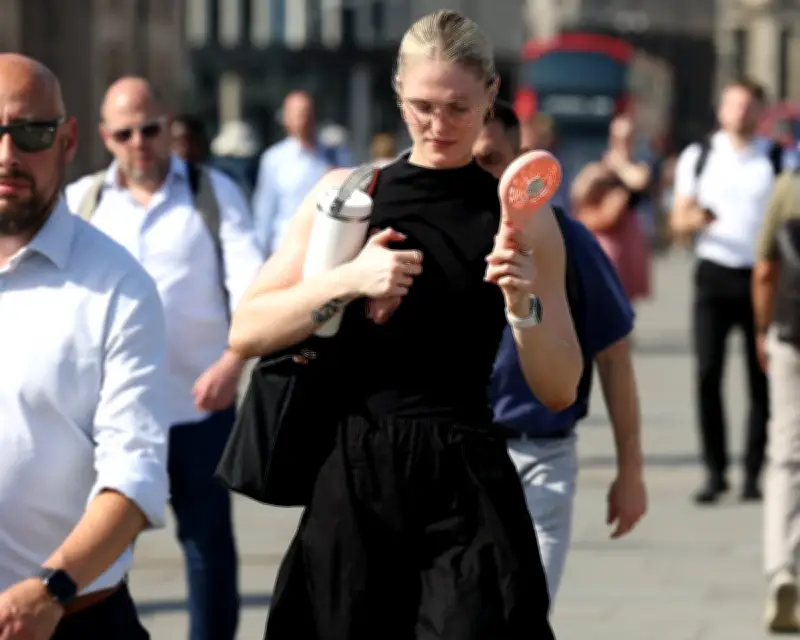
As Europe grapples with record-breaking temperatures due to the climate crisis, dressing for the office during a heatwave has become a major challenge. In the UK, fire brigades have issued wildfire alerts, with temperatures exceeding 36°C. The corner shop now sells fans, and people linger longer in the freezer aisle.
What Not to Wear
The biggest mistake is treating the office like a beach. Leave your favourite beach dress or Paul Mescal-inspired short shorts at home. Remember, it's an ergonomic chair, not a deckchair. The goal is to avoid physical discomfort from sweat and professional discomfort from hemlines that feel too short on those pouffe chairs in breakout spaces.
Breathable Fabrics Are Essential
Start by reading care labels. Cotton, silk, merino wool, and linen are breathable and make heat more bearable. Avoid 'poly blends' with polyester, which trap heat and sweat. Semi-synthetics like modal (Tencel) and viscose absorb moisture, so choose wisely.
Loose and Airy Cuts
Brad Pitt once said, 'It's all about the breeze,' when asked why he wore a skirt in 35°C heat. Spanish Prime Minister Pedro Sánchez urged workers to ditch neck ties. Loose cuts are key. Try a swing vest instead of a tight tank, a roomy shirt, or a midi dress over a maxi. Avoid tiers, crochet, and palm prints. Longline tailored shorts are acceptable, but cargo shorts should stay in the garden. Men can swap quarter-zip jumpers for polo shirts.
Footwear and Accessories
Flip-flops and mesh jelly shoes are popular on social media but unsuitable for team meetings. Opt for slingback flats or leather sandals that don't expose your whole foot. Tailored trousers paired with Birkenstocks work well, but some colleagues may feel weird about exposed toes. Gen Z pairs trainers or loafers with socks that hit above the ankle.
The Future: Climate-Resilient Clothing
Uniqlo, which closed some European stores in June due to heat, offers UV-protection ranges. Brrr, a US tech company, developed a 'triple chill effect' fabric. At Paris fashion week, Rick Owens sent models in inflatable jogging suits with in-built fans and ice vests, akin to those worn by footballers at the World Cup. Mainstream brands are taking note as climate-resilient clothing becomes a bigger issue.




