
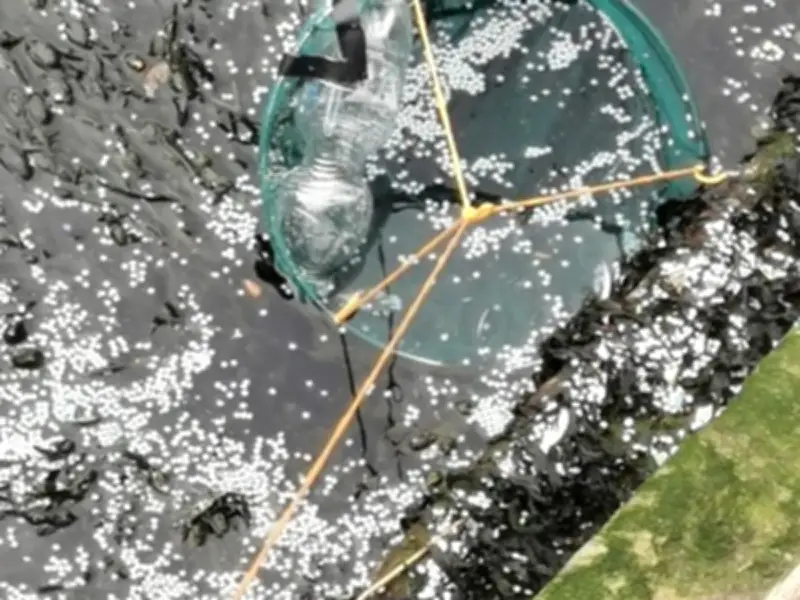
The full impact of a nurdle spill into the River Tyne may take years to understand, an environmental charity has said. Tonnes of plastic pellets spilled into the river on July 19 after a collision between the Wind Orca and the BG Orange container ship.
Immediate response and long-term concerns
Port of Tyne says that the nurdles spilled into the river in the first five seconds after the collision, and it has acted to contain the damage. However, the Tyne Rivers Trust estimates it will be months or years before the full impact is understood.
Sophia Stovall, chief executive of Tyne Rivers Trust, said: "Experience from other major nurdle spills suggests it is unlikely to be remembered solely as a short-term clean-up problem. Nurdles are extremely difficult to recover completely once they enter a river or marine environment.
"They can be transported by tides, currents and wind, become trapped within habitats and continue to move through the river, estuary and coastline long after the initial incident."
Impact on wildlife and calls for change
Ms Stovall says that the plastic pollution can have a huge impact on fish, wildlife and habitats. Seagulls have already been seen eating nurdles on Fish Quay Sands in North Shields.
She says that the charity is seeking discussions with the Port of Tyne about future response, and lessons that should be learned from the incident. The Port told ChronicleLive on Wednesday that the global shipping industry must consider changes to the way that nurdles are transported and classified; a sentiment echoed by Ms Stovall.
She said: "Once plastic pellets have entered a river or marine environment, complete recovery is extremely difficult. We need to learn from this incident and recognise that stronger standards, safeguards and accountability are required around the handling and transportation of nurdles. Prevention must remain the most effective form of environmental protection."
Environment Agency defends its role
The Environment Agency has been criticised for its role in the clean-up by local leaders and community members involved in the clean-up.
A spokesperson for the Environment Agency said: "Protecting people, communities and the environment is our priority and we have been actively involved from the outset of this incident. Our incident room remains fully operational, and we are working closely with local authorities, the Port of Tyne and recovery partners to support the clean-up effort.
"We have increased monitoring along the affected coastline, including deploying our coastal patrol vessels and drones to identify where nurdles have accumulated so response teams can target their efforts where they are needed most.
"We will continue to provide expert advice on the environment and monitoring and coordinate advice on the environmental standard to agree when the clean-up has been completed. We will also support local authorities in recovering costs."




