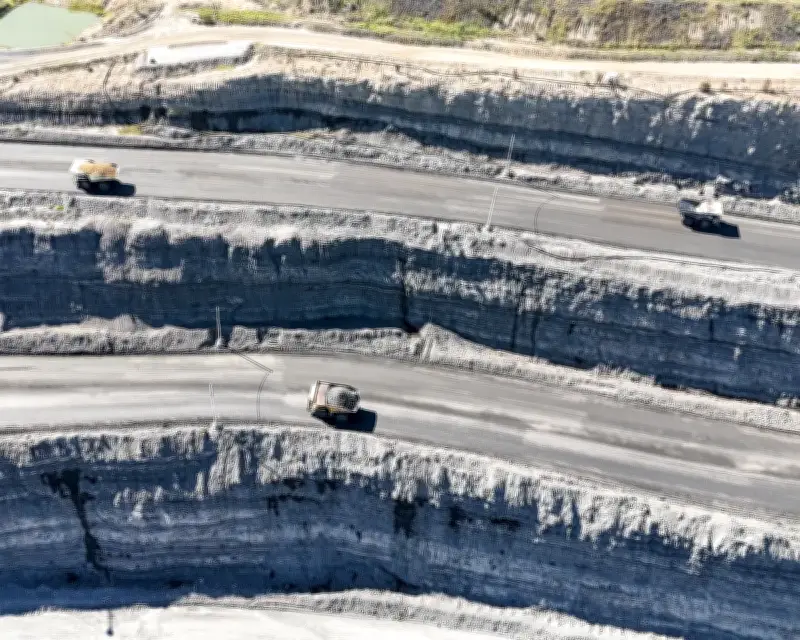
The approval of the largest coalmine in New South Wales history shows governance systems are betraying Australians on climate, according to Georgina Woods, joint national coordinator of Lock the Gate Alliance.
In a comment piece, Woods says the Independent Planning Commission's published reasons for approving the Hunter Valley Operations (HVO) mine extension read like a hostage statement. The commission accepts the 19-year extension, which would produce 809 million tonnes of greenhouse gas pollution, will materially worsen global warming. It cites CSIRO's finding that climate change is having a growing effect on the lives and livelihoods of all Australians, with severity depending on how quickly global emissions can be reduced. The panel rejects the idea that keeping HVO's coal in the ground would make no difference.
Commission weighs revenue against climate harm
Despite these findings, the commission concludes the climate impacts are "outweighed" by coal revenues, the mine's centrality to the Hunter's regional economy, and the livelihoods of 1,500 people. Woods describes the decision as a jarring and contradictory admission that Australia's governance systems are failing to meet the climate crisis.
She argues that decades of advocacy—voting, submissions, court action, meeting MPs, compiling evidence—rested on faith in systems that have now failed their public duty. The commission heard testimony from people already facing climate damage, including grandparents and scientists, but decided this was less weighty than the economic contribution a mining company claims it will make.
Economic impact of refusal could have been managed
The case for approval was economic and short-term. Refusing the extension would have closed the mine at the end of this year, standing down more than 1,000 workers and hurting local suppliers in Singleton and Muswellbrook. Woods acknowledges the local impact would be severe but says it could have been managed with support for the workforce and the region, noting the Hunter has weathered such disruption before. "The difficult task of supporting it through mine closure is nothing to the task of adapting to catastrophic global heating," she writes.
Woods says Australia faces a crisis of confidence in democratic institutions, brought on by betrayal. Polling commissioned by Lock the Gate shows 85% of Hunter residents have experienced extreme weather in the last five years, and 80% believe climate change is influencing it. She says young people understand governments are failing to stop pollution from coal, and her conscience is troubled by encouraging them to engage in public processes that keep failing them.
The approval of the HVO mine, she concludes, is not just another climate failure—it is the failure that broke her faith in public institutions to serve the public interest.