
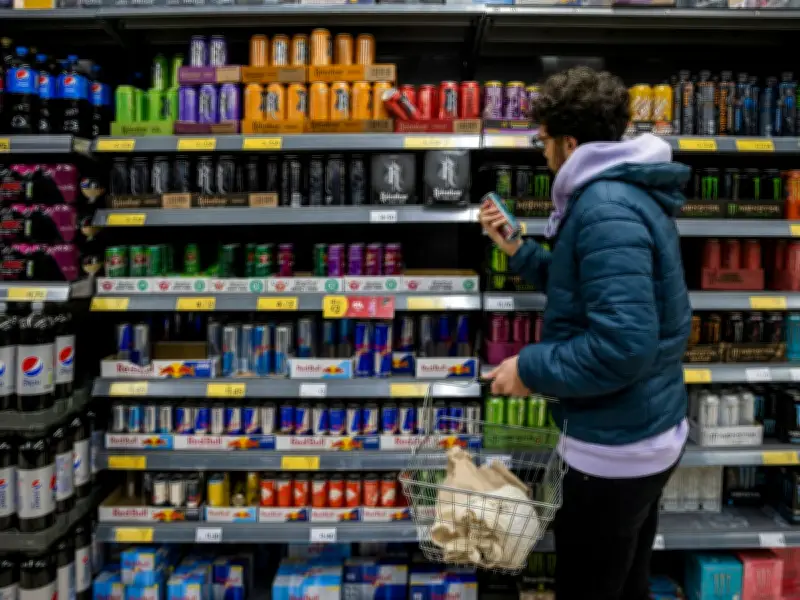
The UK government has confirmed a ban on the sale of high-caffeine energy drinks to under-16s in England, prompting the NHS to release a checklist detailing the health effects of caffeine on children. The ban applies to drinks containing more than 150mg of caffeine per litre and aims to protect young people from associated risks.
Health Effects of Caffeine on Children
According to the NHS, children are more sensitive to caffeine due to smaller body size. Consuming too much can cause difficulty sleeping, anxiety, irritability, headaches, restlessness, rapid heartbeat, and caffeine dependence, leading to withdrawal symptoms like headaches and tiredness.
Government evidence links regular consumption of high-caffeine energy drinks in children to disrupted sleep, increased anxiety, poorer concentration, and reduced educational outcomes. The Department of Health and Social Care reports that around 100,000 children in England consume at least one such drink daily.
Details of the Ban
The ban, announced by ministers, will be enforced across retailers in England, including convenience stores and vending machines. Many major supermarkets—Tesco, Asda, Sainsbury's, Aldi, Lidl, Morrisons, and Waitrose—already have voluntary policies refusing sales to under-16s. The new legislation makes these restrictions mandatory.
Children from more deprived communities are disproportionately affected by the health risks, according to the government. The UK energy drinks market is worth approximately £4 billion.
Parental Guidance and Sugar Concerns
Parents are urged to check labels for products marked "High caffeine content. Not recommended for children." Some energy drinks also contain high sugar levels, linked to obesity, tooth decay, and type 2 diabetes. Health experts emphasize that parents play a key role in making informed choices.




