
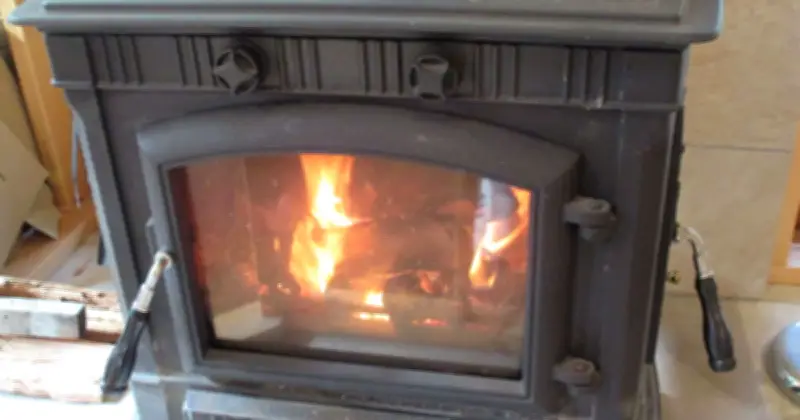
Labour has unveiled its new Environmental Improvement Plan (EIP), which includes proposals to ban the sale of older wood burning stoves unless they meet new standards. The plan also sets out stricter rules for Smoke Control Areas, which limit the types of solid fuel that can be burned in log burners, fireplaces, and chimneys in certain parts of England.
Proposed measures on domestic burning
Under the proposals, manufacturers of wood burners would be barred from selling older models unless they meet new standards, though burners already in use would not be retroactively outlawed. The plan also includes new food waste bin collections.
The Government has said it will consult on measures to reduce the environmental impact of public wood burning, such as stoves and bonfires, as part of the revised EIP. Ministers said the consultation will try to minimise the impact on those who need to burn wood and to respect traditional festivals such as Bonfire Night and Diwali.
Tougher PM2.5 targets
The Government has tightened the target to cut concentrations of PM2.5 – a fine particulate pollutant linked to asthma, lung disease, and heart conditions – by 30% by 2030 compared to 2018 levels. According to official figures, a fifth of PM2.5 emissions in 2023 came from domestic combustion.
The EIP states: “The burning of solid fuels is a large contributor to national emissions of fine particulate matter (PM2.5) and is a major source of air pollution, especially in urban areas. The World Health Organisation considers PM2.5 the most harmful pollutant to human health (air pollution is responsible for 6.7 million premature deaths every year, World Health Organisation (WHO) 2025).
“These particles can enter the bloodstream and internal organs, and there is a growing body of evidence linking exposure with a range of debilitating health conditions including cardiovascular disease and asthma. We will consult on further measures to reduce emissions from domestic burning [and] consult on new measures that cut emissions from domestic combustion, whilst minimising the impact on those that need to burn and respecting traditional celebratory festivals such as Bonfire Night and Diwali.”
It is understood that the EIP will bring the UK’s PM2.5 standards in line with the EU, which was not the case under the previous EIP, published by the Conservatives in 2023.
Reactions to the plan
Rosamund Kissi-Debrah, whose nine-year-old daughter died from an asthma attack linked to air pollution in 2013, welcomed the new PM2.5 goal as a “win”. Ms Kissi-Debrah has been campaigning for “Ella’s Law”, which would require the Government to achieve clean air throughout England by January 1, 2030, setting out a pathway to bring the country in line with World Health Organisation air pollution guidelines.
“It’s not quite Ella’s Law yet, but it’s a step in the right direction,” she told the Press Association. “So because of that I’m pleased. Anything that’s going to improve the air, and that means less children are going to be hospitalised and less children are going to die, I am always going to be for it. Obviously, it’s not everything which I want... but I would take this win.”
Calvin May, Head of Technical Services at HETAS, which represents the solid fuel industry, said: “Wood burners, multifuel stoves, and pellet stoves that meet Cleaner Choice standards already meet potential EIP targets, demonstrating that industry is well-prepared for this change and committed to improving our air quality. Labour’s move to tighten PM2.5 targets and consult on how to effectively reduce emissions from domestic burning is a necessary and welcome step. We urge policymakers to focus on practical, enforceable solutions that are aligned with industry professionals. This will accelerate the transition to less polluting technologies while supporting stove owners to make informed choices about how they burn, what they burn, and when they burn. Cleaner air is achievable, and the solid fuel industry has long been committed to playing its part.”




