
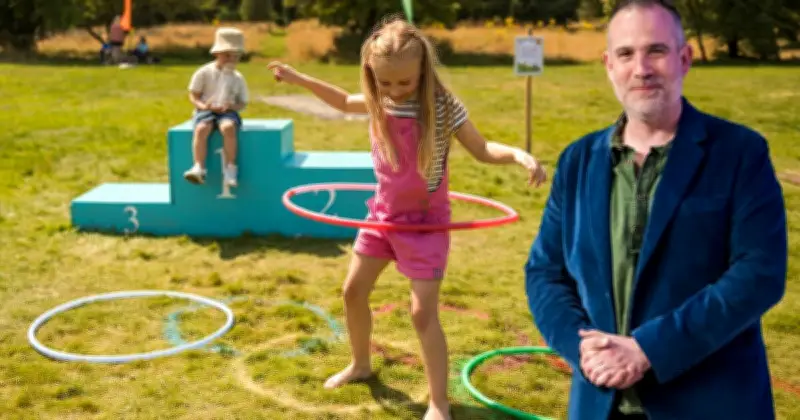
Dr Xand Van Tulleken, a doctor and broadcaster specialising in public health, argues that the health benefits of nature are vastly underappreciated. In a recent opinion piece, he describes his own journey from scepticism to conviction, backed by scientific evidence.
From Scepticism to Scientific Evidence
Van Tulleken recalls initially doubting claims that nature acts like a drug. However, after walking in the woods with Baroness Katherine Willis, Professor of Biodiversity at the University of Oxford, he learned of a 1984 study showing gallbladder-surgery patients recovered better and needed less pain medication when their hospital room overlooked trees rather than a brick wall. This prompted deeper research.
According to Van Tulleken, being in nature triggers a series of responses from our nervous system and hormones. Blood pressure lowers, heartbeat slows, and cortisol and adrenaline—stress hormones—drop. He notes that woods are like airborne drugs: molecules from plants and soils enter the blood, producing chemical responses. One clinical trial showed that people who breathed the smell of pine felt calmer in as little as 20 seconds, with effects lasting 10 minutes. Additionally, bacteria in plants can boost the gut microbiome, similar to a probiotic.
Fractal Patterns and Relaxation
Our eyes scan for fractal patterns in nature—geometric repeating forms like tree branches that mirror the shape of the whole tree. Studies show that seeing these patterns relaxes us.
The Nature Gap in England
Despite these benefits, access to nature is unequal. A recent study found that more than 7.4 million people in England live in areas devoid of immediate nature. A major study of two million people in Wales over 10 years found that for every 360 metres from green or blue space someone lived, the odds of common mental diseases grew. There is also a socio-economic divide: people in deprived communities are least likely to have nature-rich spaces nearby, yet they stand to gain the most.
Treating Nature as Infrastructure
Van Tulleken proposes treating nature as infrastructure, similar to transport and utilities. He argues that nature should flow through towns and cities, and when building homes, we must build nature too. The National Trust's Nature = Future campaign encourages politicians to think this way. So far, 50,000 supportive letters have been sent to MPs and the Environment Secretary, indicating strong public sentiment.
Children and Nature
Van Tulleken emphasises the need for children to have more nature in their lives. He grew up in London with concrete play areas and little green space, but notes that everyone has an innate connection to nature. He describes how his two-year-old son runs his hands over trees at Bateman's, a National Trust property, and observes that outdoor spaces have a huge effect on children. Policies giving children daily opportunities in nature would be beneficial.
Van Tulleken concludes by urging readers to get into nature for at least 20 minutes a few times a week. Even a park visit can improve health, and he suggests imagining pinene molecules from pine trees helping the immune system and brain health.




