
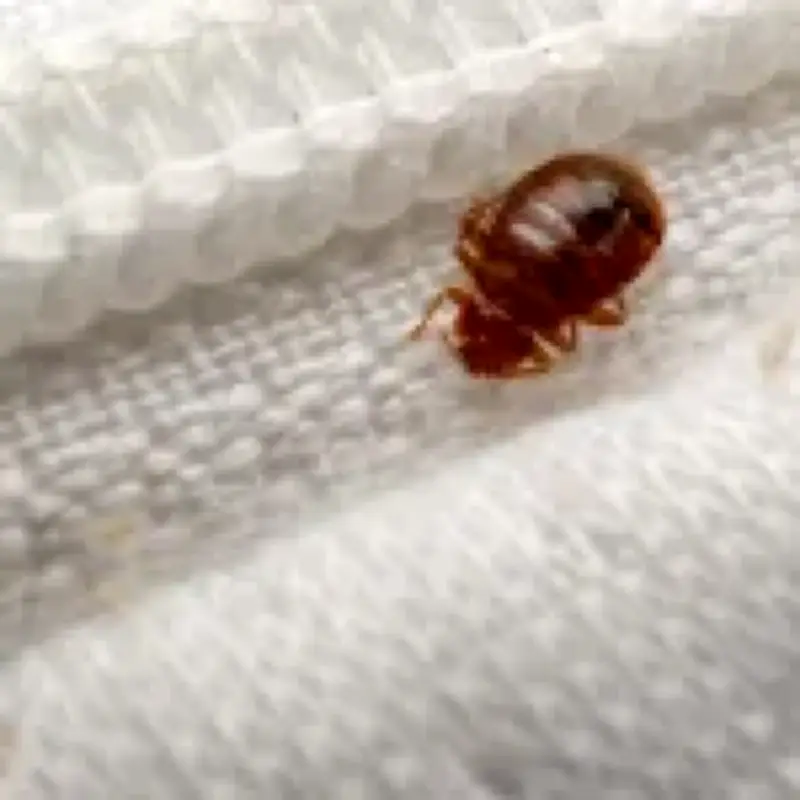
Bed bug infestations are on the rise in the UK, with reports that the insects are becoming resistant to traditional chemical treatments. Social media users in London have pointed to the city's transport network as a possible source, though transport officials say they are monitoring the situation.
Rising cases and insecticide resistance
In June, Metro reported that cases were up 40% since 2025 in one London borough, with pest controller James Rhoades noting a twofold increase in bed bug callouts over the same period. The insects now often appear resistant to many chemicals traditionally used to kill them.
According to bedbug expert Chow-Yang Lee, 'the insecticides used to kill bedbugs increasingly fail to do so' — and this is 'probably the single most important reason' infestations have 'increased dramatically over the year.'
Londoners share experiences online
On Reddit this week, a user named maneatingalligator posted that they were dealing with a bed bug issue and had struggled to find an exterminator, as most were fully booked. Others replied with similar experiences, including CarlosBiendiaSE, who said their whole office had been told to work from home due to an infestation.
Commenters speculated on the source, with many suggesting the capital's transport network. 'I was bitten by one on the Central line,' wrote DeeplyFrippy. 'I tend to stand on the Tube now.' Another user, puzzledncurious, claimed they'd found one crawling up their neck and were '100% sure' it was from the District line. 0psUpsideMeHead said: 'There is a problem on London Tubes and buses at the moment. They aren't cleaning them often enough.'
TfL responds
A TfL spokesperson told Metro: 'We are not aware of any recent sightings of bedbugs on the transport network in London, but we are not complacent and closely monitor our network and take all possible precautionary measures… We would like to reassure our customers that we continue to maintain our already high standards of cleanliness, so our staff and customers can use the network safely and with confidence.'
TfL said Tube trains receive daily pre-service cleans, including all seats, floors and surfaces. Any seats not deemed fit for use are replaced, with staff briefed on how to identify bed bugs and told to report back immediately if found. Window ledges, windows and interior panels receive a deeper clean every three to four days, while a full clean of both exterior and interior is carried out every 21-28 days.
How bed bugs spread and how to spot them
Paul Blackhurst, head of technical academy at Rentokil Pest Control, explained that bed bugs spread because they are 'experts at staying hidden and avoiding detection.' 'They're often described as silent assassins, emerging under cover of darkness, moving quickly, feeding at night, and hiding in the smallest cracks and crevices near where people sleep,' he said.
Signs of an infestation include small, itchy red bites often in lines or clusters; rust-coloured blood stains or tiny dark spots on bedding and furniture; translucent pale yellow exoskeletons in crevices; and a distinct, musty odour described as sweet, sickly, or sometimes woody, coriander-like.
Rentokil recommends washing all clothing after a trip away at minimum 60°C and checking luggage carefully before storing. Affected fabric items should be taken to the washing machine in sealed plastic bags and put through a high heat cycle, with non-washable items vacuumed using the crevice tool.
Prof Lee noted that many people 'fall back on cheaper sprays, including shop-bought foggers and aerosols that barely work.' 'Every one of those partial treatments does two unhelpful things: it leaves enough insects alive to keep the infestation going, and it kills only the susceptible individuals, leaving the resistant ones to survive and breed,' he explained.
For bites, a cold compress and disinfectant wipe or wash should help, though some may need mild hydrocortisone cream or antihistamines. The NHS says bedbug bites usually clear up within about a week, but anyone whose bites remain very painful, swollen or itchy after pharmacy treatment should contact their GP.




