Mosquitoes Spreading Across Scotland, Including Disease-Carrying Species
Mosquitoes Spreading Across Scotland, Including Disease Species

Mosquitoes Emerge as New Threat in Scottish Skies Beyond Midges

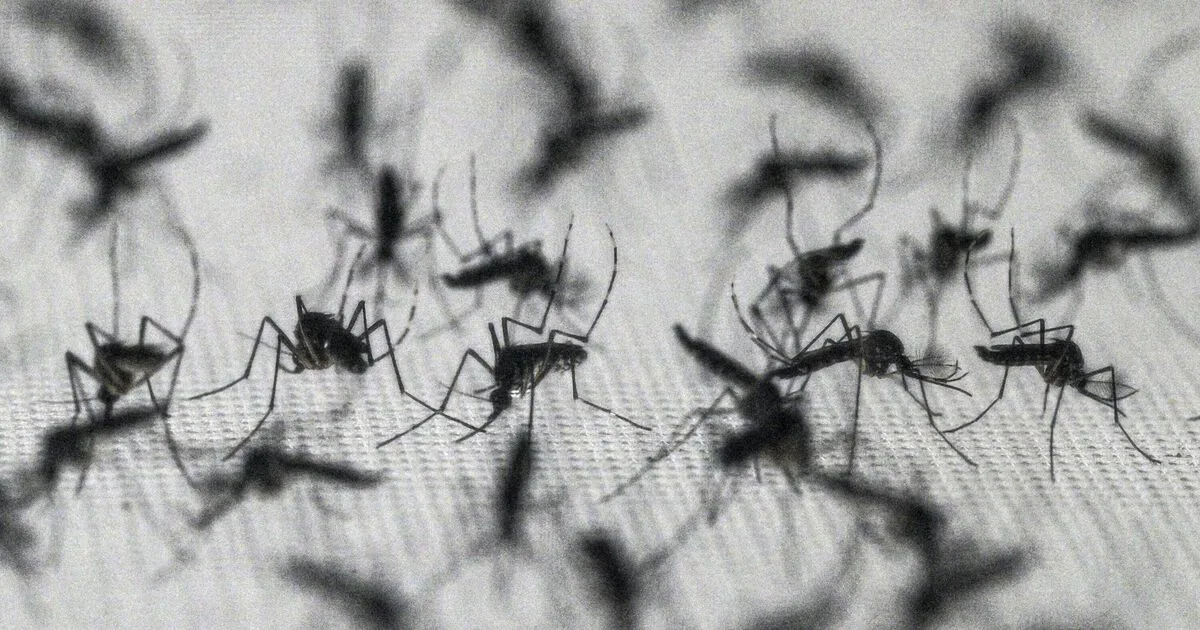
They are the unwelcome intruders of summer holidays, with travellers often resorting to extreme measures to avoid their irritating bites. However, the menace of mosquitoes is no longer confined to tropical destinations, as scientific research now reveals these insects are establishing a significant presence across Scotland.

Comprehensive Survey Reveals Widespread Presence

In the first detailed investigation of mosquitoes within Scottish wetland environments, researchers from the University of Glasgow conducted an extensive survey across 22 different sites. The team employed specialised trapping techniques to document the distribution and prevalence of these biting insects throughout the region.

The methodology involved using dry ice as bait within the traps. As the dry ice sublimates, it releases carbon dioxide, effectively mimicking the breath of a living animal and luring mosquitoes into the devices. This approach proved highly successful, capturing nearly 2,000 individual mosquitoes during the study period.

Surprising Discoveries and Human Encounters

Perhaps most alarmingly, at one location—Findhorn Bay in Moray—field researchers observed mosquitoes actively landing on members of their team. This direct interaction highlights the insects' willingness to target humans in certain circumstances.

Research scientist Georgia Kirby summarised the findings, stating: 'The main discovery was that mosquitoes appear to be widespread and essentially ubiquitous throughout the surveyed areas.'

Identification of Potentially Dangerous Species

Among the captured specimens, researchers identified several species of particular concern:

  • The common house mosquito (Culex pipiens)
  • The London Underground mosquito (Culex molestus), named for its historical behaviour of biting people sheltering in London's transport system during World War II air raids

Unlike native Scottish mosquito varieties that primarily feed on birds, these identified species are known to bite humans and are considered potential vectors for transmitting viral diseases. While mosquitoes globally are responsible for spreading illnesses including malaria and West Nile Virus, Ms Kirby clarified: 'To our knowledge, they're not currently spreading disease to humans in Scotland.'

Surveillance Gap and Public Recommendations

The research highlights a significant disparity in monitoring approaches between different UK regions. While England has maintained systematic mosquito surveillance since 2010, no equivalent programme exists in Scotland.

Ms Kirby emphasised that the widespread presence of mosquitoes demonstrated by their study indicates a clear need for similar surveillance measures in Scotland. She advised the public: 'If people have gardens containing potential mosquito breeding habitats, such as buckets collecting rainwater, they should regularly empty these containers.'

Detailed Findings and Distribution Patterns

The survey produced several notable statistics and observations:

  1. Mosquitoes were captured at 21 of the 22 wetland sites studied
  2. The single exception was Knockan Crag in Ross-shire
  3. An overwhelming 97.5% of captured mosquitoes were females, which are the gender that bites

The study concluded: 'Our findings demonstrate that potential vector species are distributed throughout mainland Scotland, including localised presence of Culex molestus and hybrid forms, the latter of which were detected for the first time in Scottish territory.'

This research fundamentally alters our understanding of Scotland's insect population, revealing that midges are no longer the sole biting insects inhabiting Scottish skies. The presence of mosquitoes capable of transmitting diseases, even if not currently doing so, represents a new environmental consideration for both public health authorities and residents across the country.




