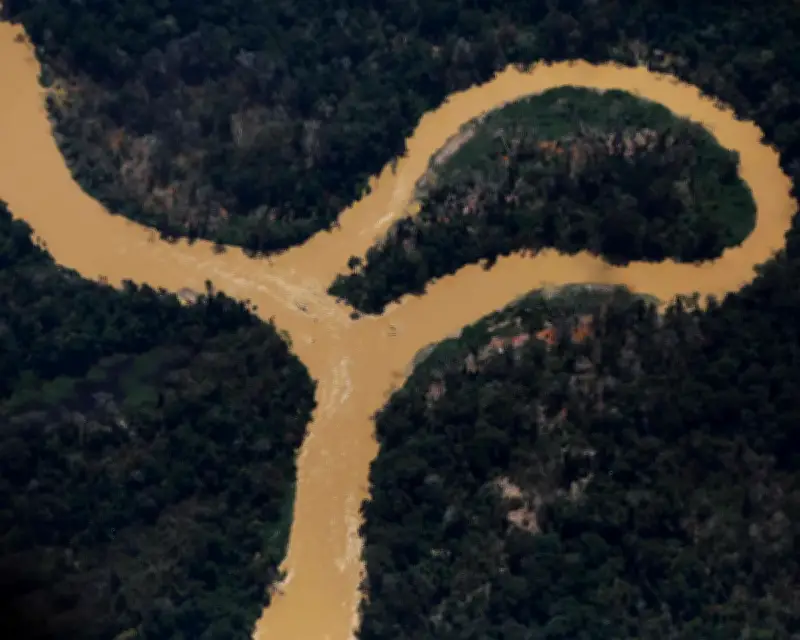
A new study has found that, despite receiving more rainfall than they used to, river water levels are falling because of changes in climate.
Global heating is intensifying the hydrological cycle, making wet regions wetter and dry regions drier, but researchers from the Pennsylvania State University, in the US, have analysed precipitation and river flow records in more than 10,000 rivers between 1951 and 2020. In nearly one-third of rivers, they found that flow trends did not match with the changes observed in rainfall and snow.
Mismatch in river flow trends
The findings, published in Geophysical Research Letters, show that more than 10% of rivers receive more precipitation now than they did 50 years ago but have lower rates of flow. This mismatch appears to be more common in regions where rainfall extremes are becoming more common, and where evaporation rates are high.
Impact on water availability
Rivers and freshwater lakes play a vital role in supporting human life, with large cities obtaining nearly 80% of their water from surface water sources. This research highlights the need to understand the other factors that control river flow, and monitor trends in river discharge rates, as well as precipitation, to predict future water availability in a changing climate.