
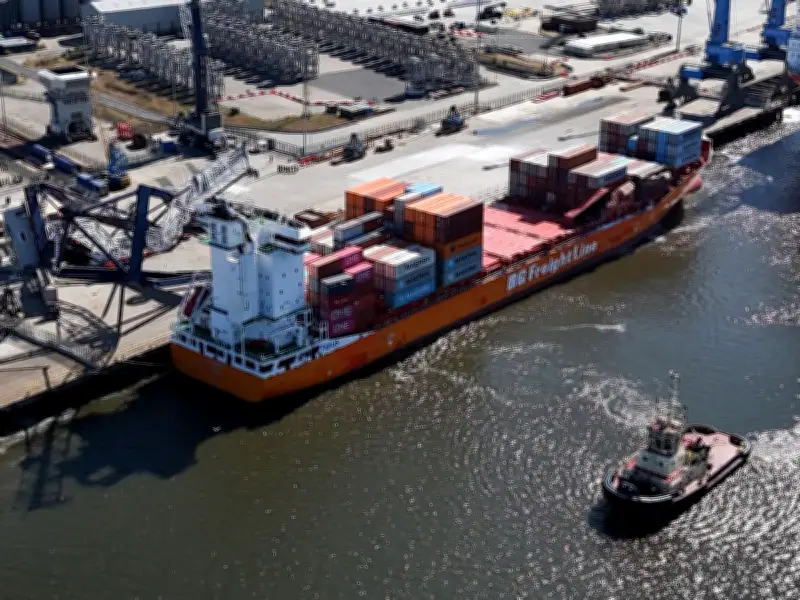
The Marine Accident Investigation Branch (MAIB) has begun an assessment after plastic pellets, known as nurdles, were spilled into the sea during a collision at the Port of Tyne.
Collision and spill
The Wind Ocra ship collided with the berthed container ship BG Orange at the Port of Tyne in South Shields last month. A gantry crane on the quayside collapsed, and plastic pellets spilled into the sea, washing up on beaches across the North East. The Port has treated the spill as a "major environmental incident."
MAIB, a UK government organisation that investigates maritime accidents, confirmed that inspectors have visited the site and begun a preliminary assessment to recover evidence and determine next steps.
Scale of the spill
Around 58 tonnes of nurdles are estimated to have been prevented from spilling into the River Tyne after the collision on July 19. Containers on the BG Orange were ripped open, and holes were torn in its hull. A dockside crane collapsed, and its operator was taken to hospital with serious injuries; he is now recovering at home.
The Port's CEO Matt Beeton said the plastic pellets spilled into the river within five seconds of the crash, but staff did not become aware of the contents of the damaged containers until the following day. Port figures show around nine tonnes of nurdles have been removed from the river, while volunteers have picked up a further 285kg from beaches.
Recovery efforts
The Port says the public health risk from the pellets is considered very low. While not toxic, they can pose a hazard to wildlife if ingested. Beeton was handed an open letter signed by more than 2,000 people calling for an "urgent expansion" of recovery efforts. The Port is now moving to phase two, allowing volunteer mariners to work with harbourmasters at certain times and tides to remove more nurdles from the river.




