
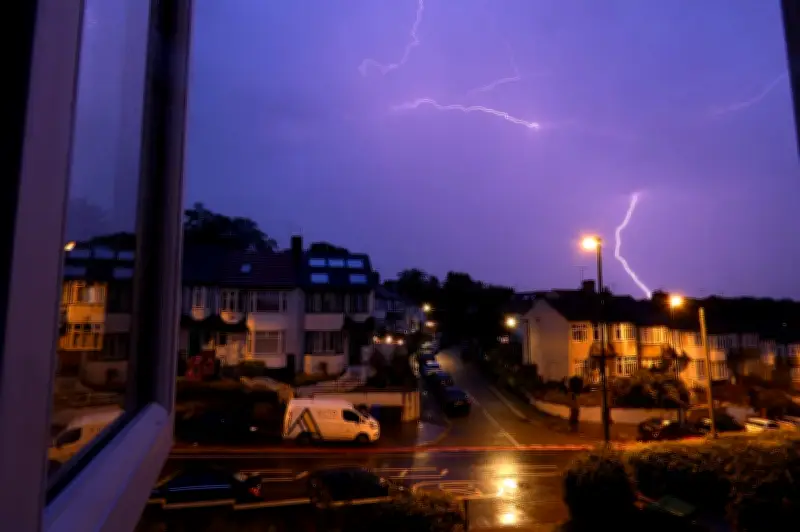
The Met Office has warned that London could be hit by thunderstorms on Friday and Saturday as the city endures its third heatwave of the year, with temperatures potentially reaching 34C on Monday and at least 30C daily until Sunday.
The UK Health Security Agency (UKHSA) escalated its heat-health warning from yellow to amber for London, the South East, the South West, the East of England, and the Midlands. The amber alert will be in effect from 9am on Wednesday, 8 July, until 9pm on Sunday, 12 July, while yellow alerts remain in place until then.
Health Risks and Precautions
Dr Agostinho Sousa, head of extreme events and health protection at UKHSA, stated: “Sustained periods of warm weather can result in serious negative health outcomes across the population, so it is important that everyone takes sensible precautions while enjoying the sun. Based on the current forecast, we don’t currently expect the health impacts to be as high as the heatwave we saw at the end of June but older adults and those with pre-existing conditions are still at risk.”
He advised checking on vulnerable friends, family, and neighbours, staying hydrated, avoiding the sun during the hottest part of the day, and keeping homes cool.
Thames Water Urges Conservation
As the capital baked, Thames Water urged Londoners to stop using hosepipes for watering gardens and cleaning cars to conserve water.
Thunderstorm Uncertainty
A Met Office spokesman said: “There is a risk of showers or possibly thunderstorms across the London area this Friday and Saturday, this is an aspect of the forecast that still has some uncertainty and will be monitored through the week.”
The last rain recorded in London was on June 27 when thunderstorms hit the city. If no rain occurs on Friday or Saturday, the next precipitation could be as late as July 18, and even then it might be only drizzle, according to the BBC Weather forecast.
Amber Alert Implications
An amber alert indicates that significant impacts are “likely” across health and social care services, including a rise in deaths, particularly among those aged 65 and over or with health conditions, as well as potential impacts on younger age groups. It also raises the likelihood of increased demand for health services, overheating in care settings, transport delays affecting staff, and possible issues with power capacity and medicine management.




