
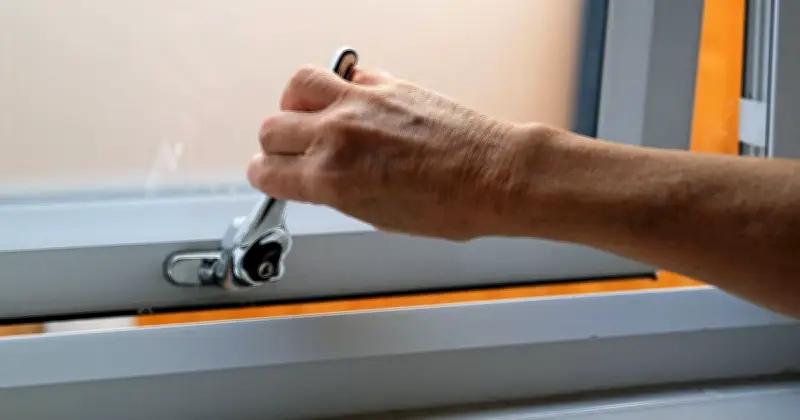
During a heatwave, many people instinctively open windows and doors to let in a breeze. However, experts unanimously advise keeping them closed during the hottest parts of the day to prevent solar heat gain and maintain a cooler indoor temperature.
Why Closing Windows Works
Tina Loveland, Senior Designer at Appeal Shading, explains that once sunlight passes through a window and converts to heat inside a room, it becomes difficult to cool. Blinds and shutters intercept that heat before it enters the living space, reducing solar heat gain by 40–70%. Light-coloured or reflective fabrics work best, while dark blinds can absorb heat and worsen the situation.
She recommends treating your home like a cool box: sealed and shaded until the outside temperature drops. NHS and Public Health England guidance supports this, advising to keep windows in direct sunlight closed during the hottest part of the day.
The Lockdown and Flush Strategy
Max Wilson, co-founder of Pocket Storage, suggests a 'lockdown and flush strategy.' Between 10am and 6pm, keep all windows, doors, drapes, and blinds closed on the sun-facing side of the house to retain cool air. In the evening, around 7pm, open windows on opposite sides of the building to create cross-ventilation and flush out accumulated heat.
He also advises clearing clutter near windows and doors to improve air circulation, and ensuring a clear path between opposite windows for effective airflow.
Additional Expert Tips
John Klee from BestHeating emphasises that keeping windows, doors, and blinds closed is vital to prevent outdoor heat from being absorbed by floors, furniture, and walls. He suggests placing a bowl of ice in front of a fan to create a cool breeze, and investing in thermal or blackout blinds for better heat protection.
Edward Simon from Direct Fabrics highlights that preventing heat from entering through windows is easier than cooling a room after it has warmed up. He recommends fitting blinds close to the window frame to minimise the 'chimney effect,' and using light-coloured, reflective fabrics. Layering window coverings, such as a voile with a lined curtain, provides more control.
Darren Coates from SolarFrame warns that leaving windows and doors open during the day can make a house hotter, especially if the outside air is warmer than inside. He advises opening windows early in the morning or late in the evening once temperatures drop, and creating a through-breeze by opening windows on opposite sides. Conservatories should be closed off from the rest of the house during the day to prevent heat spreading.
Martyn Bridges from Worcester Bosch echoes the advice to keep windows, blinds, and curtains closed during warmest parts of the day to reduce solar gain. He recommends using natural ventilation at night by opening windows at opposite ends of the property to create a draught. He also suggests turning off unused appliances to reduce unnecessary heat generation.
Evening Ventilation
All experts agree: once outdoor temperatures fall below indoor temperatures, typically from around 9pm or 10pm in summer, open windows and blinds to let cooler air in and hot air out. Opening windows on opposite sides of the house creates a cross-draught that flushes out the day's heat.
By following these expert tips, you can keep your home cooler during a heatwave without relying solely on air conditioning.




