
Record-breaking summer heatwaves and surging marine temperatures are driving a wave of venomous, aggressive, and highly destructive invasive species into the UK, according to multiple reports. Climate change has altered local ecosystems, allowing non-native species from warmer regions to survive, breed, and overwinter in Britain.
Comparing the recent decade (2016-2025) with the 1961-1990 baseline, average temperatures are up by around 1.33°C, rising at roughly 0.25°C per decade since the 1980s. This warming is now rewriting what “normal” looks like for species invading the UK.
Asian Hornet and Argentine Ant
The Asian hornet (Vespa velutina), originally native to Asia, has established a permanent foothold in the UK, with sightings surging rapidly inland due to record-breaking heat, the Independent reported. These predators pose a catastrophic threat to British honeybees, which make up a massive third of their diet. A single nest can produce around 350 new queens per year, causing local populations to explode. While they generally avoid humans, they will ruthlessly defend their nests if disturbed. Their stings are intensely painful and can cause severe, life-threatening allergic shocks (anaphylaxis).
Sustained milder winters and hotter summers mean the Argentine ant (Linepithema humile), a highly invasive non-native species, is steadily establishing permanent colonies across the UK, according to the Guardian. Unlike native ants, Argentine ants form massive "super-colonies" with multiple queens. They aggressively outcompete native insects and disrupt local soil ecosystems.
Jellyfish Blooms
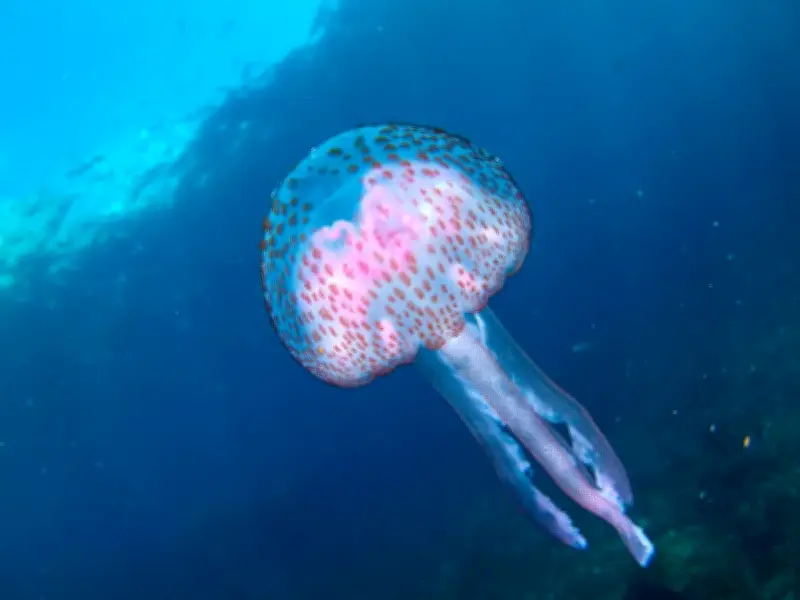
Mauve stinger jellyfish (Pelagia noctiluca), historically restricted to warm Mediterranean and tropical waters, are increasingly migrating north into warming UK seas, as per the BBC. Unlike most native species, mauve stingers form massive "blooms" or swarms containing thousands of individuals. They possess highly potent stinging cells across their entire bodies, including the bell. Contact causes severe skin burns, blistering, and long-lasting, deep pain for swimmers.
Lion’s mane jellyfish (Cyanea capillata), while technically native to the UK's colder northern waters, have seen rising sea surface temperatures trigger enormous, unseasonal population booms, the Guardian reported. These are the largest jellyfish in the world, featuring thousands of trailing tentacles that can stretch up to 30 metres long. Their stings are incredibly powerful and painful. Swimmers who encounter a dense bloom can face muscle cramps, respiratory distress, and severe skin reactions.
Giant Hogweed
Giant hogweed (Heracleum mantegazzianum), an invasive, towering plant that thrives along damp riverbanks and woodlands, is now expanding aggressively into new territories across Britain, according to Arbtech. It can grow up to 5 metres tall, creating a dense leaf canopy that completely blocks sunlight and kills off all native plant life beneath it. The plant's sap contains highly toxic chemicals (furocoumarins). If it gets on human skin and reacts with sunlight, it causes severe chemical burns, agonising third-degree blisters, and permanent scarring. Getting sap in the eyes can cause permanent blindness.




