
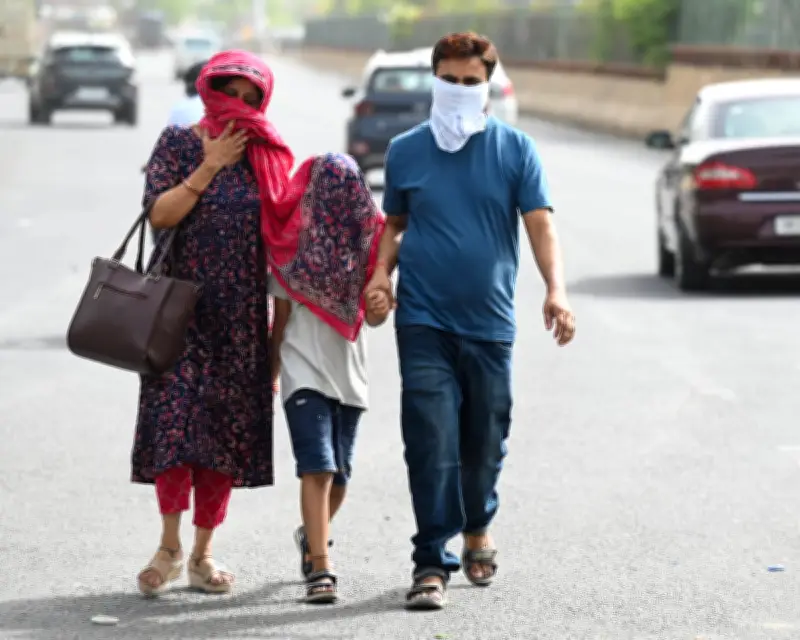
Heatwaves Force School Closures Across India
India is experiencing unprecedented heatwaves that have shut down schools across multiple states, disrupting education for millions of children. The extreme temperatures, often exceeding 45°C (113°F), have led authorities to close schools temporarily, with some regions reporting closures for weeks at a time. This disruption is not only affecting students' learning but also creating a ripple effect on families, particularly women.
Mothers Bear the Brunt of School Closures
With schools closed, many mothers are forced to stay home to care for their children, as childcare options dwindle. According to a recent study by the International Labour Organization (ILO), women in India already face significant barriers to workforce participation, and the heatwave-induced school closures are exacerbating this trend. The study found that for every week of school closure, women's employment drops by 2%, pushing many out of the workforce entirely.
Economic Impact on Families
The loss of income from women leaving their jobs is straining household finances. Many families rely on dual incomes, and the sudden loss of one salary can push them into poverty. A report by the World Bank highlights that India's female labor force participation rate is already one of the lowest in the world at around 20%, and the heatwave crisis threatens to further entrench gender disparities. The economic cost of lost productivity is estimated to be in the billions of rupees.
Health and Safety Concerns
Beyond economic impacts, the heatwaves pose serious health risks. Children and the elderly are particularly vulnerable to heatstroke and dehydration. Schools that remain open often lack adequate cooling systems, forcing students to study in sweltering conditions. Women who work outdoors, such as in agriculture or construction, face even greater dangers, with heat-related illnesses on the rise. The Indian Meteorological Department has issued warnings for continued high temperatures, urging vulnerable populations to take precautions.
Government Response and Long-Term Solutions
The Indian government has announced emergency measures, including distributing water and setting up cooling centers in affected areas. However, critics argue that these are short-term fixes. Long-term solutions, such as investing in green infrastructure, improving building insulation, and promoting heat-resilient crops, are needed to mitigate the impacts of climate change. Activists are also calling for better support for working mothers, such as subsidized childcare and flexible work arrangements.
Climate Change and Future Projections
Scientists warn that heatwaves in India are becoming more frequent and intense due to climate change. A study by the Indian Institute of Tropical Meteorology predicts that by 2050, heatwaves could occur up to 15 times a year in some regions, compared to the current average of 5. Without significant adaptation measures, the impact on education and women's workforce participation will only worsen. The crisis underscores the urgent need for global climate action and national policies that address the intersection of climate change, gender equality, and education.




