The global climate crisis has been formally declared an "urgent and existential threat" to humanity by the world's highest court, a landmark decision set to dramatically influence the critical UN climate summit, Cop30, currently underway in Brazil.
A Legal Gamechanger for Global Climate Action
In a unanimous and historic decision delivered in July 2025, the International Court of Justice (ICJ) clarified that under international law, all states are legally bound to tackle the human-made climate crisis. This advisory opinion builds upon a growing body of climate jurisprudence, including recent rulings from the International Tribunal for the Law of the Sea and the Inter-American Court of Human Rights.
Critically, the court affirmed that the established legal duty to prevent transboundary environmental harm is universal. This duty is not contingent on a country's membership in treaties like the Paris Agreement, from which Donald Trump withdrew on his first day back in the White House.
Implications for Cop30 and Fossil Fuel Phase-Out
The ruling has lifted the 1.5°C global warming target from an aspiration to a definitive legal benchmark, for which states can now be held accountable. It obliges countries to ensure their national climate plans reflect the "highest possible ambition."
On the opening day of Cop30, 25 UN experts released a joint statement demanding "full compliance" with the ICJ ruling. They highlighted that the credibility of the summit hinges on achieving a meaningful outcome on mitigation and finance, with specific reference to fossil fuels as the main driver of climate change.
The ICJ provided its boldest language yet on fossil fuels, spelling out the legal obligation for states to exercise "due diligence" in ending extraction, consumption, and subsidies. This duty extends to regulating private businesses, with state failure to do so constituting an "internationally wrongful act."
Accountability and the Path to Climate Justice
While the ruling validates claims for reparations from communities already suffering climate harms, it stops short of establishing a stringent enforcement framework. Instead, it leaves it to individual states and communities to seek legal remedy through litigation.
Ralph Regenvanu, Climate Minister of Vanuatu, which spearheaded the ICJ case, stated that vulnerable states must continuously remind polluting nations that cooperation is a legal obligation, not charity. The ruling is expected to empower climate-vulnerable nations in closed-door negotiations on finance, adaptation, and loss and damage.
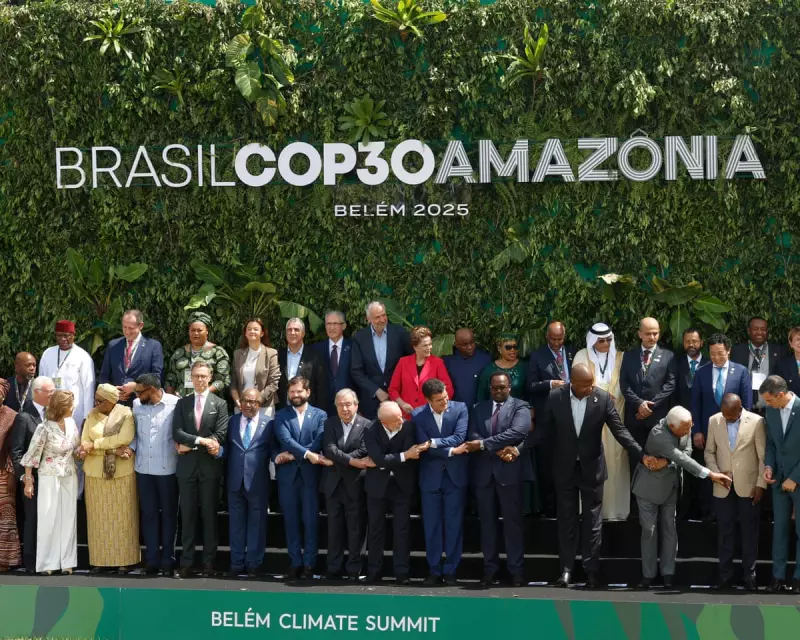
As heads of state gather in Belém, the ICJ's opinion represents a powerful new tool for activists and vulnerable nations alike, signalling a pivotal shift from political negotiation to legal accountability in the fight against climate catastrophe.