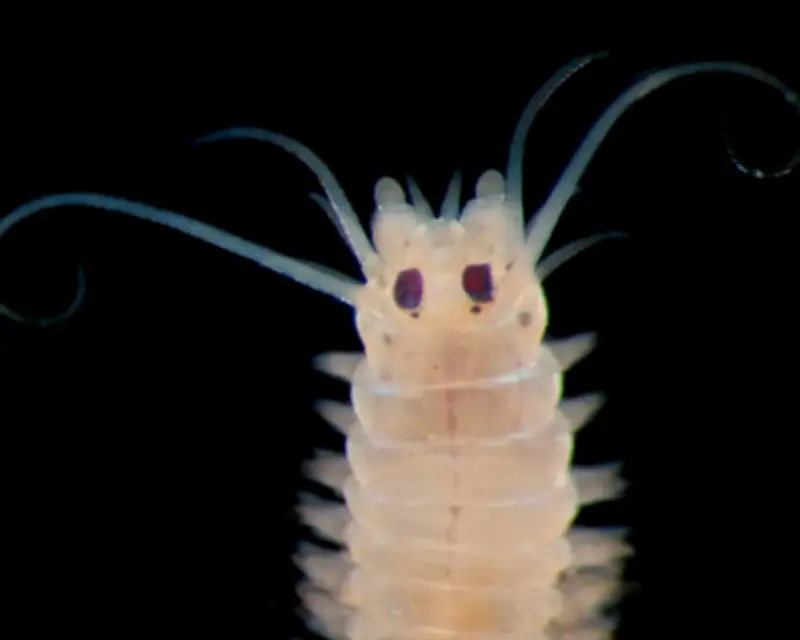
Marine biologists in this whimsical eco-documentary find new life about 5,000 metres down, in the freezing-cold waters of the deep sea. In the lab, they observe, describe, and classify creatures that look straight out of a fantasy: blobby sea pigs and alien glow-in-the-dark sea cucumbers. Film-maker Eleanor Mortimer explains in her quirky voiceover that 90% of life in the deep sea has yet to be named, calling it the last frontier of exploration on Earth.
Expedition to the eastern Pacific
Mortimer accompanies a team of scientists on an expedition to the eastern Pacific. The ship's robot takes four hours to descend the four kilometres to the ocean floor, where it trundles along with a grabber claw at the ready. A biologist notes that 80% of what they bring up to the surface is new to science. One of the film's pleasures is watching the wonderstruck awe on their faces as they see never-before-seen creatures.
Acquiring a Latin name for a new discovery can take years, so scientists give them excellent temporary names like the Headless Chicken Monster and the Psychedelic Elvis Worm.
Environmental story beneath the surface
It's a niche-feeling film, gentle and playfully curious, but an environmental story lurks beneath: deep sea mining. The ocean floor is covered in nodules – lumps the size of baked potatoes – rich in metals and minerals. They take millions of years to form, and significantly less time to mine.
The film includes a frustrating debate at the International Seabed Authority about whether mining should be permitted. How high this new eco-worry should rank on the spreadsheet of doom and gloom is as yet unknown, and the environmental impact of mining is not yet established.
How Deep Is Your Love is in UK and Irish cinemas from 2 October.