
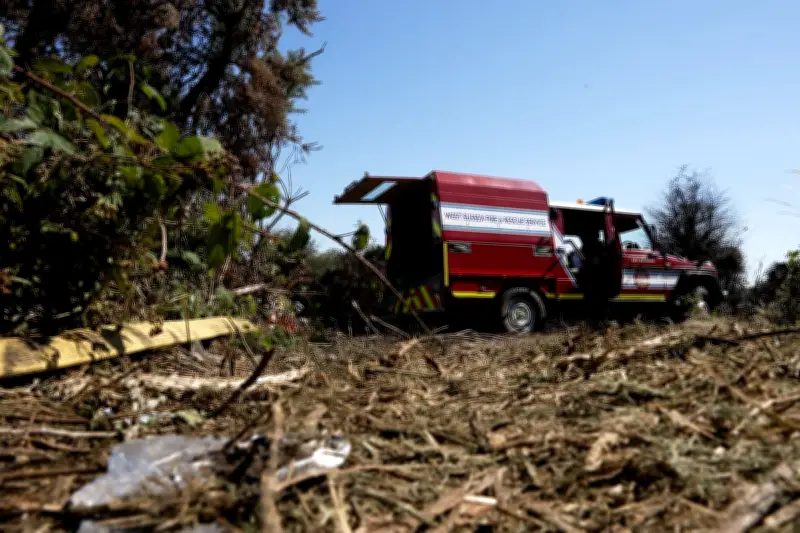
Emergency services are currently dealing with 19 active wildfire incidents across England and Wales, as the UK continues to experience a heatwave with temperatures forecast to reach 33°C. The National Fire Chiefs Council (NFCC) reported that fire and rescue teams are tackling a combination of large moorland and agricultural fires.
Heat-Health Alerts Issued for Seven Regions
The UK Health Security Agency (UKHSA) has issued yellow heat-health alerts for seven English regions between Tuesday and Friday. These regions include the North West, South West, South East, East Midlands, West Midlands, East of England, and London. The alerts warn of potential health risks, particularly for vulnerable individuals, as the Met Office forecasts peak temperatures of 33°C in south-central parts of England.
Met Office spokesman Stephen Dixon told the Press Association: “The heatwave continues for much of the UK this week where we could see temperatures peak on Wednesday, possibly a high of 33 degrees Celsius in some parts of southern-central England.” He added that temperatures would ease by the weekend, with Saturday's peaks likely in the mid-to-high 20s.
Major Incidents Declared in North Wales and Derbyshire
A major incident has been declared for wildfires in North Wales and in Glossop, Derbyshire, in the Peak District. In North Wales, dozens of homes were evacuated near the village of Capelulo as firefighters tackled a wildfire at Conwy Mountain. North Wales Fire and Rescue Service (NWFRS) said it was too soon to say when residents could return.
Jody McEachern, head of prevention at NWFRS, said: “Firefighters worked tirelessly throughout yesterday and overnight responding to a number of significant wildfire incidents across North Wales. Significant work continues at Conwy Mountain and we will continue to monitor conditions closely throughout the day.”
Severe Wildfire Risk Persists
The NFCC said that latest assessments show “severe wildfire risk” remains across large parts of England and Wales, with some locations continuing to have “extreme risk”. NFCC chairman Phil Garrigan urged the public to take extra care while enjoying the outdoors.
“When vegetation is this dry, it only takes one spark to start a fire. What may begin as a small incident can escalate at speed, placing communities, firefighters and the environment at risk,” Garrigan said. He advised against using disposable barbecues in parks, moorland, and countryside areas, and urged people not to discard cigarettes on the ground.
Staffordshire Fire and Rescue Service and West Midlands Fire Service are also taking precautions to manage exceptionally high demand.




