
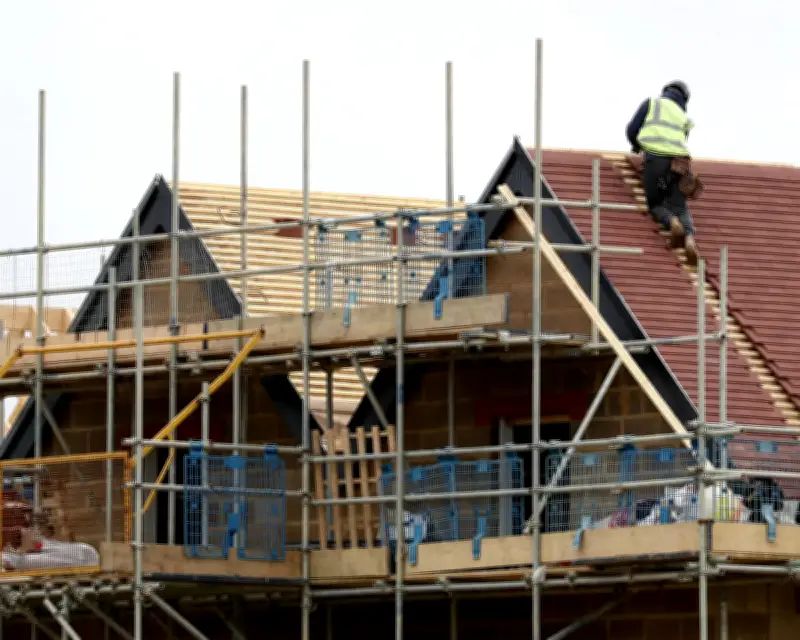
The government has proposed ending affordable housing quotas on developments of 10 to 49 houses. The National Housing Federation (NHF) warns that half of all affordable housing supply in rural England could be under threat under these plans.
Proposed Changes to Section 106 Agreements
Ministers are considering relaxing regulations for private housing developers by ending affordable housing quotas, known as section 106 agreements, for new developments of between 10 and 49 houses. This is intended to jumpstart sluggish housebuilding rates. A final decision is expected within weeks on whether developers should be allowed to make cash payments to local authorities instead.
Impact on Rural Affordable Housing
Analysis of government figures by the NHF suggests that in the most rural areas of England, more than half of all affordable homes are built on developments of this size. The organisation warns that ending the requirement could cost the country 32,000 affordable homes over the next 10 years.
Kate Henderson, chief executive of the NHF, said: “Rural families are already in the most acute need of affordable homes, often priced out of the communities they call home, and these proposals risk making the rural housing crisis even worse. This requirement for affordable homes on medium sites is one of the most important ways we have of ensuring affordable homes are being delivered in the most rural areas. Removing it could put half of future rural affordable housing at risk, leading to increased waiting lists, rising homelessness and staff shortages in local schools and business.”
Government Position
A spokesperson for the Ministry of Housing, Communities and Local Government said: “No decisions have been taken on the future of section 106 agreements but we are committed to making the process simpler and more transparent, so we can get on and build the homes and infrastructure this country desperately needs.”
Context and Concerns
In the absence of high rates of council housebuilding, section 106 agreements have become a vital source of affordable housing across the country, accounting for 36% of all affordable homes delivered in 2024-25. However, ministers have become concerned that these agreements hinder new building, with developers struggling with high costs of finance and material. Experts also note that cash-strapped housing associations find it difficult to buy homes built under such arrangements.
In London, ministers and mayor Sadiq Khan have reduced the amount of affordable housing developers must build to qualify for fast-track planning status after housebuilding rates plummeted to just a few thousand units a year.
Proposals for Medium-Sized Developments
Under the proposals, housebuilders would be allowed to make payments to councils in lieu of including affordable homes in their proposals. That money would be earmarked to build affordable housing elsewhere. Ministers have been told not to work on big policy announcements before the next prime minister, likely to be Andy Burnham, is in place. However, work continues on more technical changes like this. A Burnham spokesperson would not comment on the proposals.




