
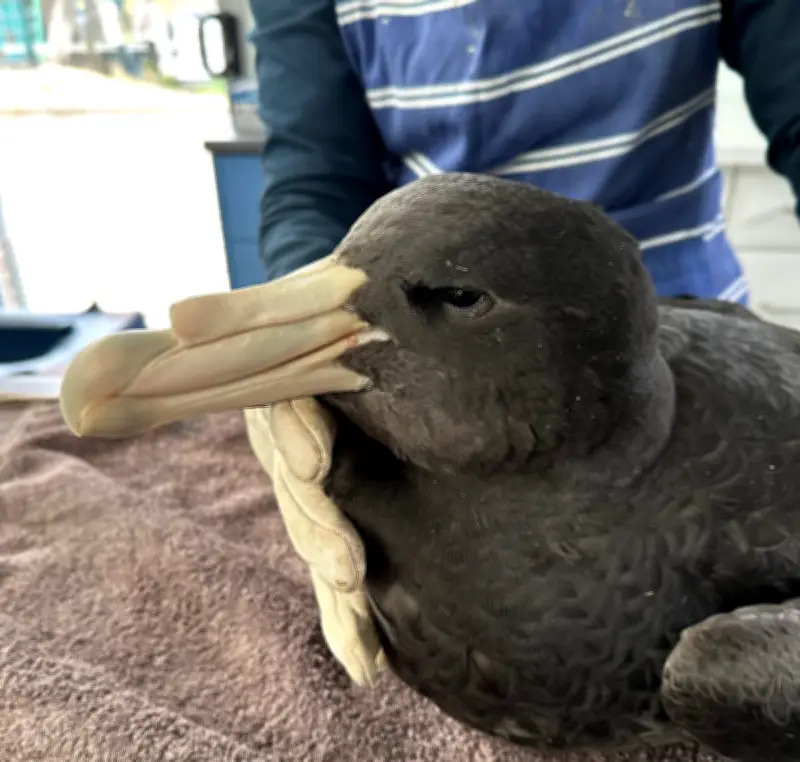
H5N1 bird flu has been detected in wild birds in Western Australia, prompting authorities to lock down poultry farms in the region. The discovery marks the first time the highly pathogenic strain has been found in wild birds in the state, raising concerns about potential outbreaks in commercial flocks.
Detection and Immediate Response
The virus was confirmed in samples taken from wild birds near the town of Esperance, about 700 kilometers southeast of Perth. The Western Australian Department of Primary Industries and Regional Development (DPIRD) announced the finding on Tuesday, stating that the infected birds were part of a routine surveillance program. In response, all poultry farms within a 10-kilometer radius of the detection site have been placed under immediate lockdown, with movement restrictions on birds, eggs, and equipment.
Dr. Michelle Rodan, chief veterinary officer for Western Australia, said, "This is a significant development as it is the first detection of H5N1 in wild birds in our state. We are taking swift action to contain the virus and protect our poultry industry." The lockdown affects at least five commercial poultry farms, though none have yet reported infections.
Risk to Human Health and Poultry Industry
While the H5N1 strain is highly pathogenic in birds, the risk to humans remains low. The Australian government has advised the public not to handle dead or sick wild birds and to report any sightings to authorities. The poultry industry in Western Australia is valued at over $1 billion annually, and the lockdown is expected to cause significant disruptions to supply chains.
According to the DPIRD, enhanced biosecurity measures have been implemented, including disinfection stations at farm entrances and restricted access to personnel. The department is also conducting additional testing on wild bird populations in the region to determine the extent of the outbreak.
Context of Global H5N1 Spread
The detection in Australia comes amid a global surge in H5N1 cases, with outbreaks reported in Europe, Asia, and the Americas. The strain has caused mass die-offs in wild birds and has spilled over into mammals, including foxes and seals. In the United States, the virus has been detected in dairy cattle, leading to concerns about its potential to adapt to humans.
Australia had previously been free of H5N1 in wild birds, though the virus had been detected in poultry in other states. The current strain identified in Western Australia is closely related to the one circulating in East Asia, suggesting it may have been carried by migratory birds.
Long-Term Monitoring and Preparedness
Authorities are urging poultry farmers to remain vigilant and report any signs of illness in their flocks. The lockdown will remain in place until further notice, with DPIRD conducting weekly surveillance tests. The government has also activated its emergency animal disease response plan, which includes compensation for farmers affected by culling or movement restrictions.
Dr. Rodan added, "We are working closely with the federal government and industry bodies to manage this situation. Our priority is to eradicate the virus from wild bird populations and prevent its spread to domestic poultry." The detection has also prompted a review of biosecurity protocols across the country.




