
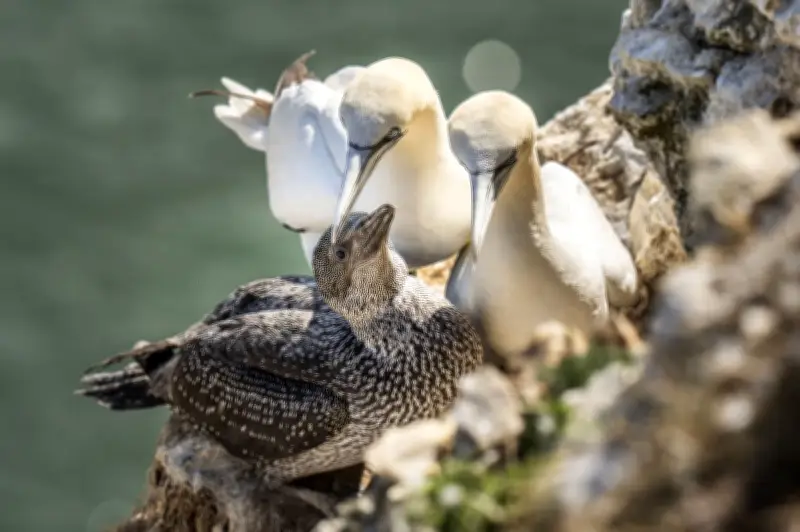
NatureScot has refused a licence for the annual guga hunt on the remote island of Sula Sgeir, a decision that will spare thousands of young gannets this year.
At a board meeting on Monday, members agreed to refuse the request from the Men of Ness, who have carried out the tradition since the 15th century. The hunt involves 10 men travelling 40 miles to the rocky island to take young gannets, known as guga, from open cliffs using a pole and noose, before gutting, salting, and preserving them in brine.
Scientific evidence and population impact
NatureScot stated that after assessing the application against legislation and using the most recent scientific evidence, the board decided to refuse the licence. The agency commissioned an updated population model to predict the effect of the hunt on the gannet population, concluding that an adverse impact is possible both at the requested limit of 2,000 juvenile gannets and at a reduced limit of 500.
Environmental and animal rights groups have strongly opposed the practice, staging protests. OneKind chief executive Jason Rose expressed relief, saying: “We are very relieved that the lives of thousands of young gannets will be spared this year and many more birds won’t bear the emotional toll of disruption to their lives, families and communities.”
Future applications and legal context
NatureScot noted that the decision does not prevent the Men of Ness from applying for a licence in future years. The hunt is recognised in law under the Wildlife and Countryside Act, and NatureScot has a duty to consider any application based on the best available science.
Rose added: “However, as long as the loophole in the law exists, there is a chance the guga hunt could be permitted again in the future. The Scottish Government must change the law so that this outdated practice, which causes so much harm, is ended for good.”




