New research has issued a stark warning that extreme floods triggered by melting glaciers are poised to claim more lives worldwide as the climate crisis intensifies. A comprehensive study led by experts at the University of Dundee has documented a dramatic acceleration in these catastrophic events.
A Threefold Increase in Destructive Floods
The study, which analysed 120 years of data, found the frequency of glacial lake outburst floods (GLOFs) has risen sharply. The rate increased from an average of 5.2 events per year in the 1980s to 15.2 per year in the decade from 2011 to 2020. Dr Simon Cook, a glaciology and geohazards expert at the University of Dundee, confirmed these incidents had increased threefold by 2011.
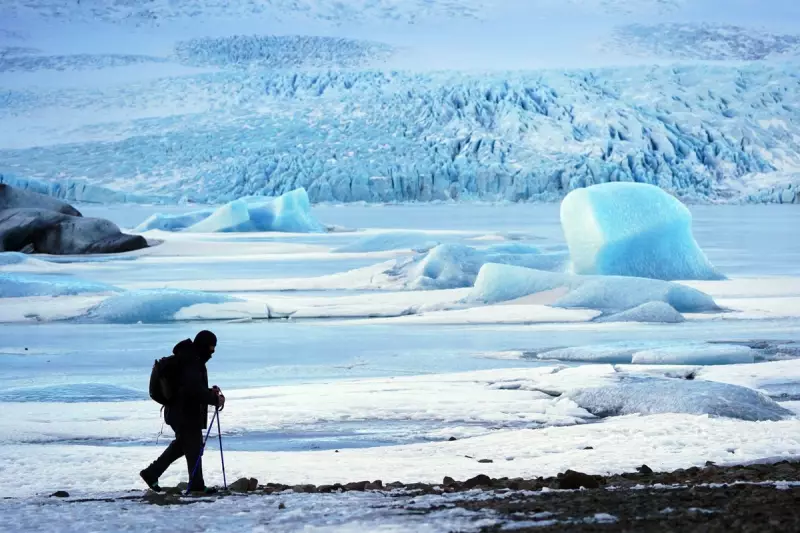
These floods occur when meltwater from retreating glaciers collects in natural basins, forming lakes dammed by unstable deposits of mud and rock, known as moraines. When these natural dams fail or are overtopped, they can unleash devastating torrents downstream.

Global Toll and a Climate Change Lag
The international research team, spearheaded by the Chinese Academy of Sciences, used satellite imagery and historical records to identify 609 GLOF incidents between 1900 and 2020. This updated inventory includes over 200 previously unrecorded events, similar to the 2023 flood in India's Himalayan state of Sikkim that killed 55 people.
More than 100 of the recorded floods caused significant damage, leading to over 13,000 fatalities globally. The regions most affected are High Mountain Asia and the Tropical Andes. The research, co-authored by Dr Cook and published in Nature Communications, reveals a critical finding: there is a strong, lagged relationship between rising temperatures and GLOF frequency.
Temperature increases lead to a rise in flood events between five and 20 years later, meaning the warming of recent decades has already locked in more future disasters.
Warming World Creates a Perfect Storm
Dr Cook explained the compounding dangers. "As the climate warms, not only are we seeing the shrinkage of glaciers and the ponding of meltwater to form these glacial lakes, but we’re also seeing the stability of mountain slopes being threatened," he said.
The study indicates that around 70% of GLOFs are triggered by ice avalanches or rockfalls plunging into lakes, causing waves that breach the dam. Warming permafrost and loosening glaciers make these landslides more likely.
"The concerning thing this research shows is that the number of these incidents remains relatively steady between the 1900s to around 1970," Dr Cook stated. "Then from the 1970s, when we know climate warming has accelerated, they start to creep up, before a threefold increase between 2011-2020."
He emphasised the urgency for action: "We have time to act to prevent them – but we have to act fast. With global temperatures continuing to rise, and recent progress in tackling climate change stalling at the Cop30 meeting, GLOFs will remain a threat to people and infrastructure in the world’s high-mountain regions."