
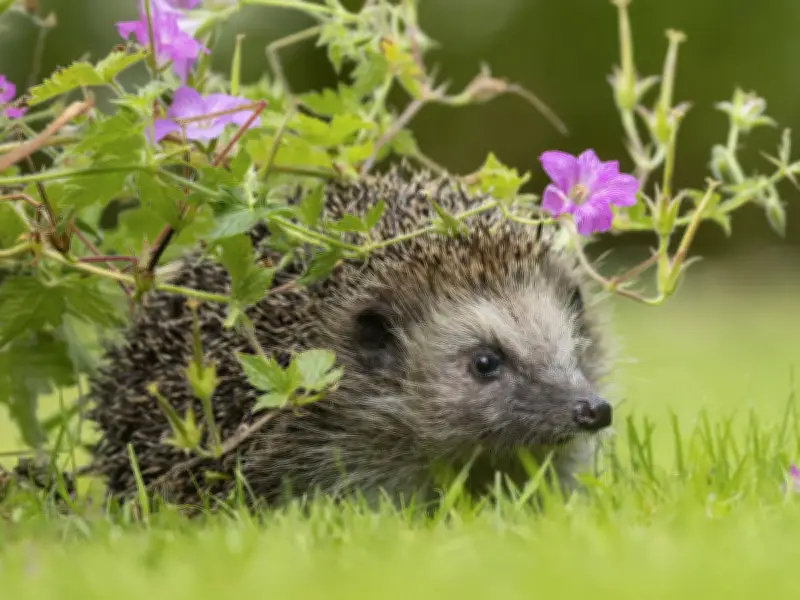
Gardeners are being advised to carry out a crucial check before undertaking a routine job in their outdoor spaces this summer in a bid to protect hedgehogs.
Despite the intermittent rainfall and chilly periods in recent weeks, summer is approaching - with temperatures forecast to hit 28C in certain areas of the UK this weekend.
With warmer weather on the way, many homeowners are eager to clean up their gardens, transforming them into peaceful, private retreats for relaxation.
This typically involves trimming and mowing lawns, fixing or replacing damaged plant pots, arranging outdoor furniture, and much more.
However, our gardens serve a purpose beyond being an extension of our homes - they also regularly provide refuge to various forms of wildlife, including vital pollinators such as bumblebees, honeybees, wasps, drone flies, ladybirds, beetles and others. They also offer safe habitats for hedgehogs in both urban and countryside environments, resting places for birds, and shelter for numerous other creatures large and small.
For hedgehogs, however, our gardens can pose dangers, and sadly, certain gardening activities can result in them being seriously injured - or fatally harmed.
The RSPCA explains hedgehogs are "an important part of the ecosystem" and "a gardener's friend" because "they eat beetles, caterpillars, worms and other invertebrates that might harm plant life."
Yet routine tasks such as strimming require particular caution, as hedgehogs can be wounded or even killed by this equipment.
Guidance issued by the Royal Horticultural Society says: "To make your garden hedgehog-friendly, the first step is to remove any hazards and ensure tasks such as strimming are carried out in a hedgehog-aware way."
Always check the whole area carefully before strimming, and cut long grass with care.
Strimmers are one of the biggest causes of fatal or severely injuring hedgehog accidents, so even if you haven't noticed hedgehogs in your garden, always check thoroughly before cutting long grass. Be aware that this habitat can also be full of other creatures such as amphibians and smaller mammals.
Those with robotic mowers are also advised to consult their manufacturer regarding safety features and whether adequate measures exist to protect hedgehogs and other small mammals from injury.
As hedgehogs are also known to shelter in compost heaps, it's equally important to inspect yours thoroughly before turning it over or using a fork on your compost.
Choosing to leave your lawn slightly longer to benefit hedgehogs could also bring wider advantages for other local wildlife.
Longer grass provides an instant natural habitat, offering ground-nesting insects somewhere to shelter, as well as refuge for other creatures.
It also retains moisture more effectively, while certain weeds such as dandelions serve as a vital food source for insects emerging in spring — provided they aren't cut down prematurely.
The RSPB adds: "Avoid using strimmers too, as they can injure hedgehogs, frogs and insect larvae. If you can resist mowing your lawn until late summer, this will mimic the hay meadows of old."




