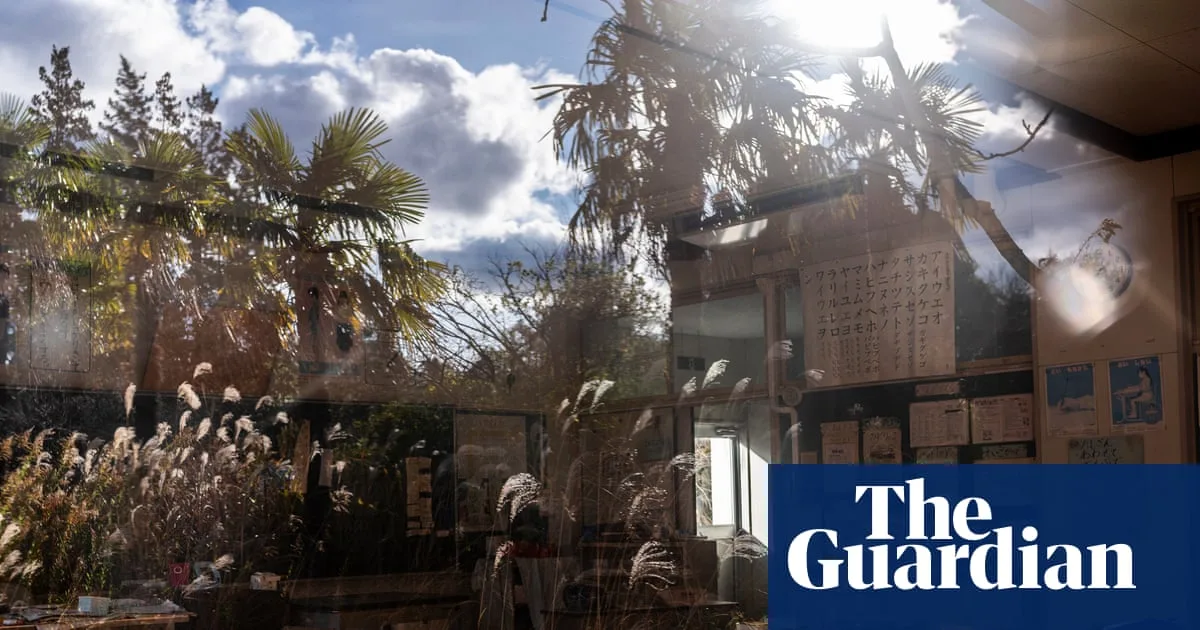
Fifteen years after a tsunami triggered the Fukushima nuclear disaster, the Kumamachi primary school remains frozen in time. Textbooks lie on desks, pencil cases are scattered on the floor, and empty bento boxes were never taken home. Shoes line the corridor where children fled after a magnitude-9 earthquake struck on 11 March 2011, causing the worst nuclear accident since Chornobyl.
Outside, the once-pristine playground is overgrown with weeds and wild grass, with only the top of a slide visible. A metal ladder has become entwined with a tree trunk, untouched for 15 years. Rusting bicycles lie in the undergrowth near a radiation monitor showing levels still too high for former residents to return permanently.
Norio Kimura, whose seven-year-old daughter Yuna died along with her mother and grandmother in the tsunami, still dreams of returning to his coastal home. 'All I can do for now is clear the weeds and grass. But I definitely plan to return one day,' he says.
The disaster forced mass evacuations, and authorities now grapple with how to repopulate areas. Meanwhile, wildlife such as bears, raccoons, and wild boar have proliferated in abandoned towns. In forests, elevated levels of caesium-137 have been found, leading to bans on some mushrooms, bamboo shoots, and wild boar meat.
Clean-up efforts removed contaminated topsoil near homes, generating 15 million cubic metres of waste stored near the plant. However, forests covering 70% of the region remain untreated. University experts are studying how trees circulate radiocaesium, as the debate continues over balancing human return with nature's resurgence.