
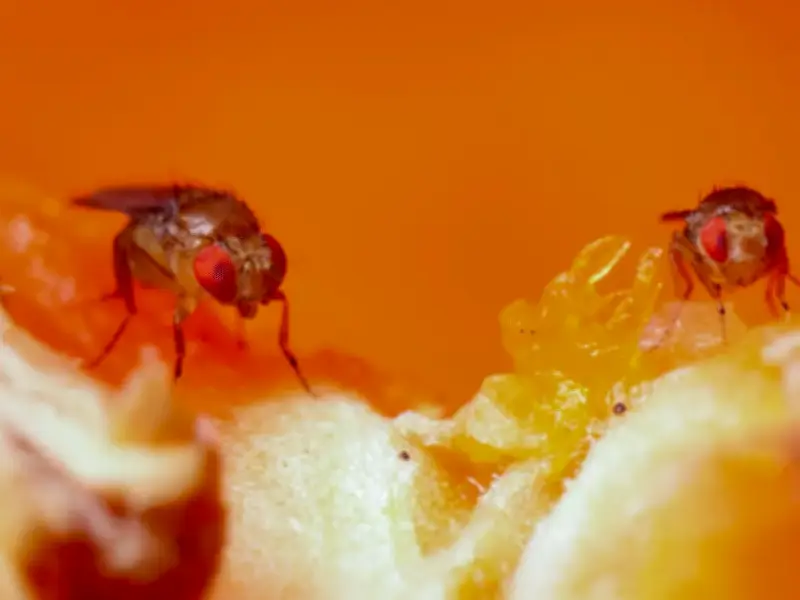
Apple cider vinegar, which costs as little as £1.55 at Tesco, is commonly used in homemade fruit-fly traps because its smell attracts the insects. Rentokil says households can put the vinegar in a bowl with some washing-up liquid, with the flies drawn to the liquid and then becoming trapped.
For a simple version, pour a small amount of apple cider vinegar into a container and add a little washing-up liquid. Leave it in an area where fruit flies are noticed, such as near a kitchen window or sink.
Why traps alone may not work
However, there is an important catch for anyone hoping the trick will completely clear the kitchen. Which? says homemade traps such as apple cider vinegar can be worth trying, but they are unlikely to provide a complete solution because fruit flies can reproduce rapidly.
The consumer experts say tackling the insects' breeding cycle is key to getting control of an infestation. Cleaning bins, removing food waste and dealing with places where flies can lay eggs should be part of the process rather than relying solely on a trap.
Hygiene measures to reduce flies
Fruit and vegetables left on kitchen surfaces can also become an attraction, particularly when overripe. Keeping food covered, clearing away scraps and regularly cleaning areas around bins and sinks can help make the kitchen less appealing to the insects.
The RHS also stresses the importance of good hygiene when dealing with fruit flies, particularly around ripe, damaged or unwanted fruit. Its advice recommends removing old fruit and waste rather than allowing it to remain available to the insects.
So, if tiny flies are starting to gather around kitchen windows, a small amount of apple cider vinegar could be worth trying as part of a wider clean-up—just don't rely on the ingredient alone.




