Winter De-Icing Dangers: Experts Urge Caution with Salt Use
As winter tightens its grip across the UK, many households face the annual challenge of clearing snow and ice from driveways and pathways. The immediate solution for countless homeowners remains reaching for a bag of rock salt from their local hardware store. However, environmental and safety experts are issuing urgent warnings about the significant drawbacks of this common practice, urging the public to consider more responsible alternatives.
The Environmental Cost of Common De-Icing Methods
Rock salt, scientifically known as sodium chloride, remains the cheapest and most widely available de-icing product on the market. Yet its environmental impact is substantial and concerning. All chloride-based de-icers contain compounds that can pollute freshwater sources, damage vegetation, and accelerate the deterioration of concrete surfaces including sidewalks, steps, and driveways.
Martin Tirado, CEO of the Snow and Ice Management Association, explains the practical limitations: "There's a chart we reference that shows chemical effectiveness at certain temperatures. When temperatures drop to about 15 degrees Fahrenheit or colder, applying more rock salt achieves diminishing returns." In such conditions, alternative products like calcium chloride or magnesium chloride become more effective as they release heat that enhances melting capabilities.

Direct Impacts on Plants and Pets
The damage extends beyond infrastructure to living organisms. Pamela Bennett, a horticulture professor, identifies rock salt as particularly harmful to plants through dual pathways: soil absorption and airborne transmission. Salt percolates through soil, creating conditions where plants draw in salty water during spring, leading to dried roots and foliage. Visible symptoms include brown leaf tips indicating excessive soil salinity.
For pet owners, the dangers are equally concerning. Alison Manchester, an assistant clinical sciences professor, observes: "Their paw pads get dry or they get little cuts because those crystals are sharp, and then they're chewing them to relieve discomfort." Salt ingestion can lead to vomiting and other health complications, making animal safety a compelling reason to explore non-salt alternatives.
Exploring Safer Alternatives and Application Strategies
While calcium chloride and magnesium chloride offer better performance in extreme cold, they come at significantly higher cost—often double or triple the price of rock salt. More innovative solutions are emerging, including de-icers that incorporate beet juice or beet extract to coat chloride granules, improving effectiveness while reducing environmental harm.
Some companies are developing truly novel approaches, such as using material from invasive starfish to create de-icers that release chloride more slowly, thereby minimising corrosion and environmental damage. For those seeking completely chloride-free options, calcium manganese acetate represents a biodegradable alternative specifically designed as an environmentally friendly rock salt replacement, though its higher cost remains a barrier for many households.
Practical Application and Preparation Advice
Experts emphasise that preparation and strategic application can significantly reduce the need for chemical de-icers. Monitoring weather forecasts and clearing snow proactively before heavy accumulation makes subsequent ice removal much easier. Tirado advises: "If you start getting three, four or more inches of snow, you can't wait until after the storm—you need to go out multiple times to keep surfaces clear proactively."
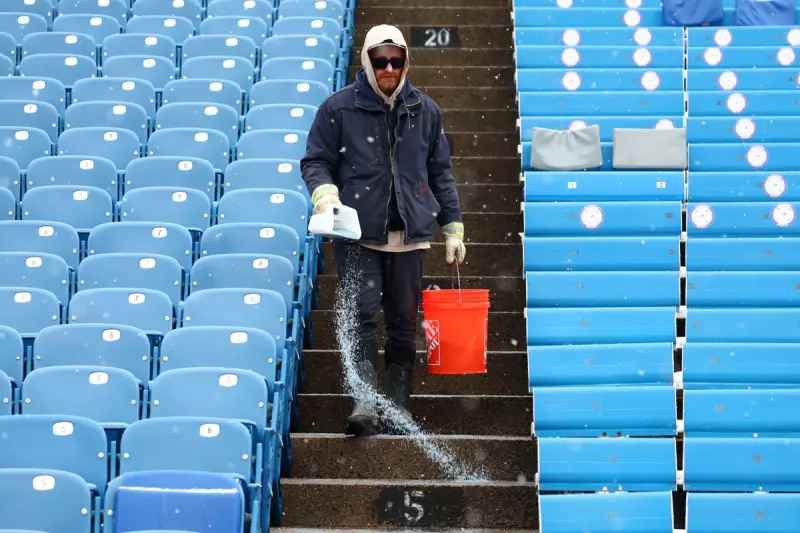
For those who do use de-icing products, proper application proves crucial. David Orr, director of the Local Roads Program, recommends: "The key is to not use too much and scatter it appropriately. We need to accept that surfaces may not be perfectly bare, and that can be acceptable for safety." Ground temperature also influences effectiveness—warmer surfaces may require less product than anticipated, while colder conditions might necessitate more frequent applications.

Abrasives and Their Limitations
Traditional alternatives like gravel and sand provide improved traction but come with their own environmental consequences. Sand runoff into freshwater bodies can smother aquatic vegetation and disrupt ecosystems. Additionally, sand accumulation in soil can eventually inhibit plant growth and, in clay-heavy soils, can create a concrete-like substance that further damages gardens and landscaping.
As winter weather patterns become increasingly unpredictable, experts urge homeowners to consider the broader implications of their de-icing choices. The convenience of rock salt comes at significant environmental cost, driving increased interest in more sustainable solutions that protect both property and the natural world.