
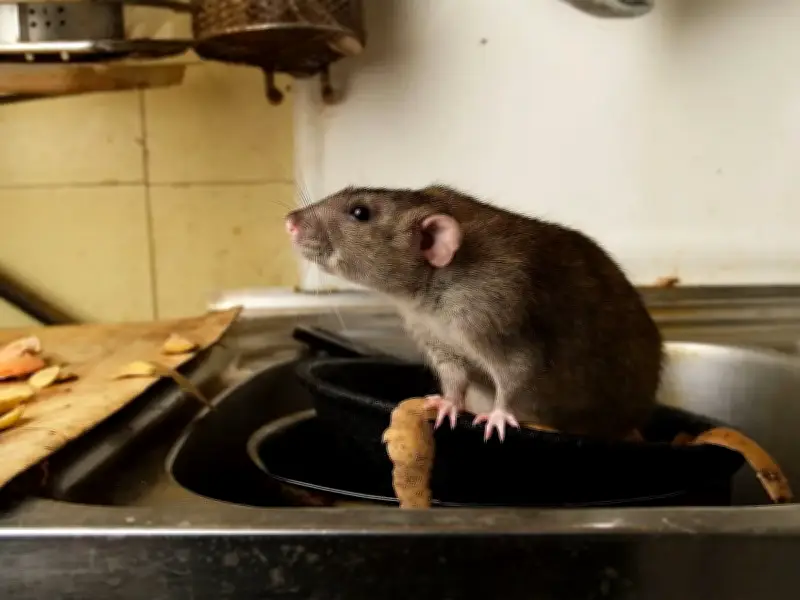
Pest control specialists recommend using steel wool, available for as little as £1.08, to block the small gaps through which rats and mice enter homes, as October marks the start of peak UK rodent season.
Signs of a rodent problem
Before taking action, homeowners should check for telltale indicators of an infestation, according to Sophie Thorogood, technical training manager at Pelsis. These include gnawing or damage to buildings, wires, food and packaging; droppings; nesting material or burrows; hair; tracks indoors or outdoors; and noises such as movement, scratching or gnawing.
Thorogood explained: "Rats and mice normally peak in autumn and winter as they want to exploit the buildings and food humans provide to escape harsher conditions. However, they are present all year round, with higher breeding activity usually occurring in the summer."
Sealing gaps with steel wool
Daniel Steward, managing director at Shield Pest Control, advised stocking up on steel wool, readily available at most supermarkets or hardware stores. He said: "Both rats and mice can squeeze through holes as small as a coin, so even the smallest gaps shouldn't be overlooked. Regularly check around your home for openings and seal them using methods such as expanding foam, door sweeps or by stuffing holes with steel wool or copper mesh."
He added: "Make sure your property has been properly proofed. Mice can squeeze through surprisingly small gaps, so seal any entry points, including gaps around pipes and beneath doors."
Rodents can cause severe damage to property, making prevention vital. According to Pegasus Pest Solutions, they target cables because they are easily hidden behind walls or floorboards, which is where mice like to run. Gnawed wires become exposed and pose serious fire hazards, and UK fire statistics indicate rodents cause thousands of electrical fires each year. If left undetected, the damage can lead to major electrical faults or void home insurance policies in the event of a fire.
Natural deterrents and quick response
Strong scents are another effective, natural deterrent, according to Luke Newnes, a gardening expert at Hillarys. He said: "Strong scents are a very effective and completely natural deterrent. Peppermint oil is my go-to: I soak cotton pads in it and place them near doorways, sheds, or anywhere I've seen droppings or gnaw marks. Rats and mice really dislike that strong menthol smell. Clove oil and eucalyptus oil work in a similar way, and they're all inexpensive."
Keeping the home clean and orderly, with no food left accessible, is also essential.
If a rodent is spotted, responding quickly is key. Mosh Latifi, co-owner at EcoCare Pest Management, said: "Act immediately rather than hoping the problem resolves itself. A single mouse or rat is almost never alone. Bait traps placed along walls and in corners, where rodents run rather than in open spaces, are the most effective DIY solution."
For rats, professional treatment is strongly advisable as they are more cautious than mice. Dead rodents should not be handled without gloves and should be disposed of in a sealed bag in an outdoor bin.




