
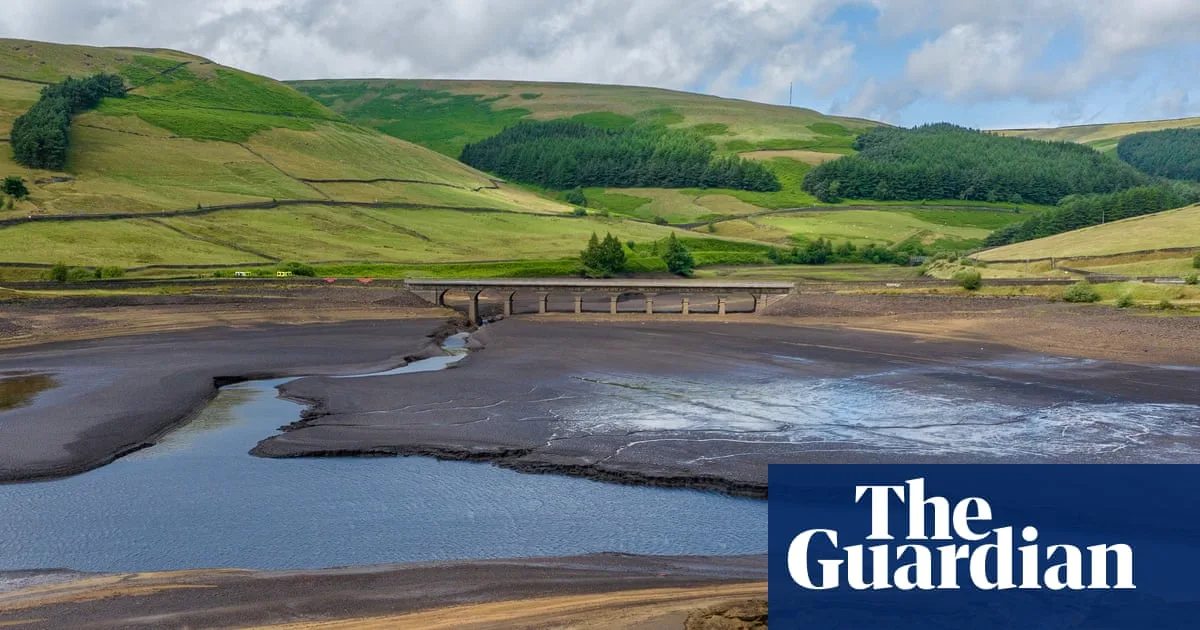
England is on course for a drought this summer unless significant rainfall arrives soon, with reservoir levels dropping dangerously low. The government will convene the National Drought Group on Wednesday, bringing together water companies, farming groups, and experts to prepare for potential shortages amid forecasts of continued dry weather.
No new reservoirs have been built in England for over 30 years, leaving the country vulnerable. Reservoir levels are below normal after parts of England experienced their driest spring on record. The Chartered Institution of Water and Environmental Management warned that rainfall comparable to the record-breaking deluges of 2012 would be needed to avert drought.
April was the sunniest on record, with the UK receiving just 56% of average rainfall. The Thames area was particularly affected, receiving only 13% of normal rainfall. Long-term forecasts suggest very warm and dry months ahead, increasing the risk of water shortages and hosepipe bans.
Water companies, including Thames Water, are undertaking reservoir repairs. The upcoming Cunliffe review is expected to propose new powers to force companies to collaborate on water sharing, though industry sources predict disputes over costs and licence conditions, potentially leading to higher consumer bills.
Reservoir levels are 10% below the seasonal average, according to the UK Centre for Ecology and Hydrology. United Utilities' reservoirs are at 71% capacity, with Haweswater at just 62.3%, compared to the usual 98% for this time of year. River flows are also far below normal, with some catchments recording the lowest flows since 1958.




