
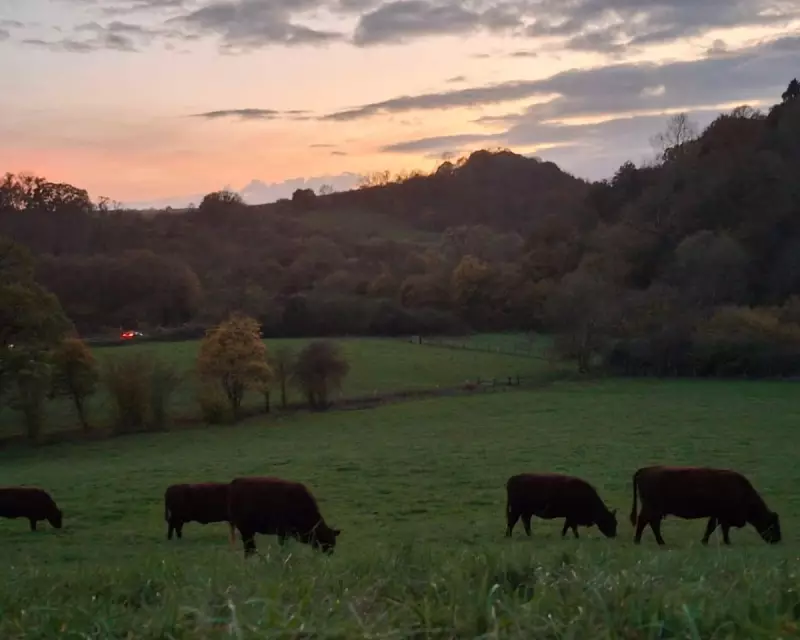
The turning of the clocks signals more than just an extra hour in bed - it marks a fundamental shift in our daily rhythm. As British Summer Time surrenders to Greenwich Mean Time, the working day once again unfolds within darkness's embrace.
The Unmistakable Shift in Season
There's a particular quality to this seasonal transition that transforms our relationship with time itself. The familiar commute to work now begins under a canopy of stars, while the journey home occurs long after sunset has painted the sky. This isn't merely a change in schedule, but a complete reorientation of our daily experience.
Nature's Winter Rhythm
The natural world responds to this shift with its own ancient wisdom. Wildlife adjusts its patterns, plants slow their growth, and the countryside settles into its winter repose. There's a quiet beauty in this enforced slowing down, a chance to observe details that summer's frantic pace often obscures.
For those working the land, this transition brings both challenges and opportunities. The shorter days mean compressed working hours, yet they also offer clearer night skies and the crisp beauty of frost-kissed mornings. There's a unique satisfaction in completing outdoor tasks as daylight fades, knowing you've made the most of every precious hour of light.
Finding Light in the Darkness
Rather than resisting this seasonal change, there's value in embracing winter's different pace. The early darkness encourages reflection, while the later dawns offer unexpected moments of quiet contemplation. This is nature's way of reminding us to adapt, to find comfort in cosy interiors, and to appreciate the simple pleasure of watching daylight gradually return each morning.
As we adjust to this new temporal reality, we're participating in a cycle that has governed rural life for centuries - a rhythm dictated not by clocks, but by the earth's steady journey around the sun.