
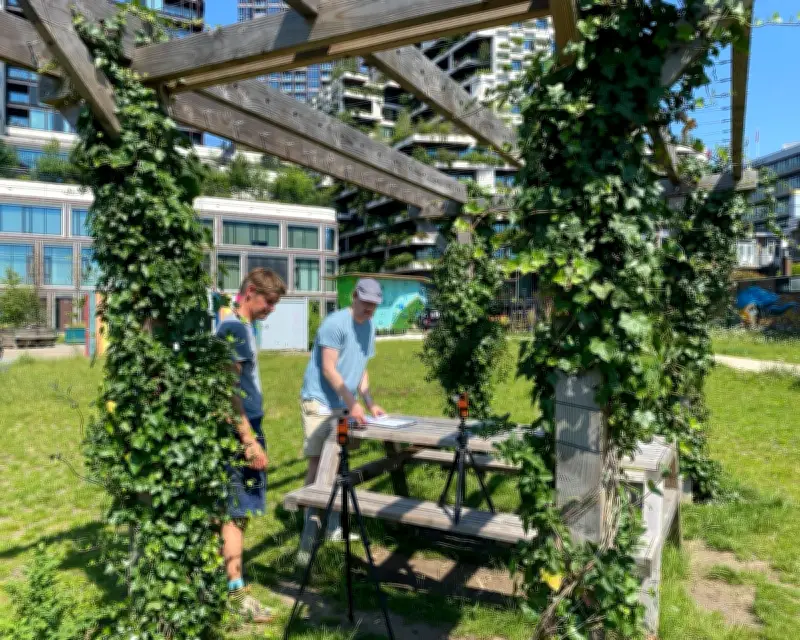
As a heatwave grips the Netherlands, residents are finding creative ways to stay cool. From mobile jungles to shadow art, the Dutch are turning to innovative solutions to beat the rising temperatures. The country, known for its temperate climate, is experiencing record-breaking heat, prompting people to think outside the box.
Mobile Jungles Bring Greenery to Urban Areas
In cities like Amsterdam and Rotterdam, residents are creating mobile jungles—portable green spaces that provide shade and cool the air. These installations, often mounted on bicycles or carts, feature a variety of plants that help lower ambient temperatures through evapotranspiration. According to local environmental groups, such initiatives have become increasingly popular as urban heat islands intensify.
Shadow Art as a Cooling Technique
Another trend is shadow art, where artists and residents use large canvases or sails to create shaded areas in public spaces. These structures not only offer relief from the sun but also serve as temporary art installations. The city of Utrecht has sponsored several such projects, with officials noting that they reduce surface temperatures by up to 10 degrees Celsius in shaded spots.
Community Efforts and Government Support
Local governments are also stepping in. The Hague has distributed free parasols and water bottles to vulnerable populations, while Eindhoven has opened public buildings as cooling centers. The Dutch Meteorological Institute (KNMI) reported that June 2026 is on track to be the hottest on record, with temperatures exceeding 40°C in some areas.
Residents are also using traditional methods, such as closing curtains during the day and opening windows at night. However, the new approaches highlight a shift toward community-driven adaptation. As one Amsterdam resident put it, "We have to be creative because the heat isn't going away."
Impact on Daily Life and Health
The heatwave has led to increased hospital visits for heat-related illnesses. The National Institute for Public Health and the Environment (RIVM) has issued warnings, urging people to stay hydrated and avoid strenuous activity during peak hours. Schools have adjusted schedules, and outdoor events have been canceled or moved indoors.
Despite the challenges, the Dutch spirit of innovation shines through. From rooftop gardens to water misters in parks, the country is adapting to a hotter future. Experts emphasize that such measures, while temporary, can provide valuable insights for long-term urban planning in a warming world.




