
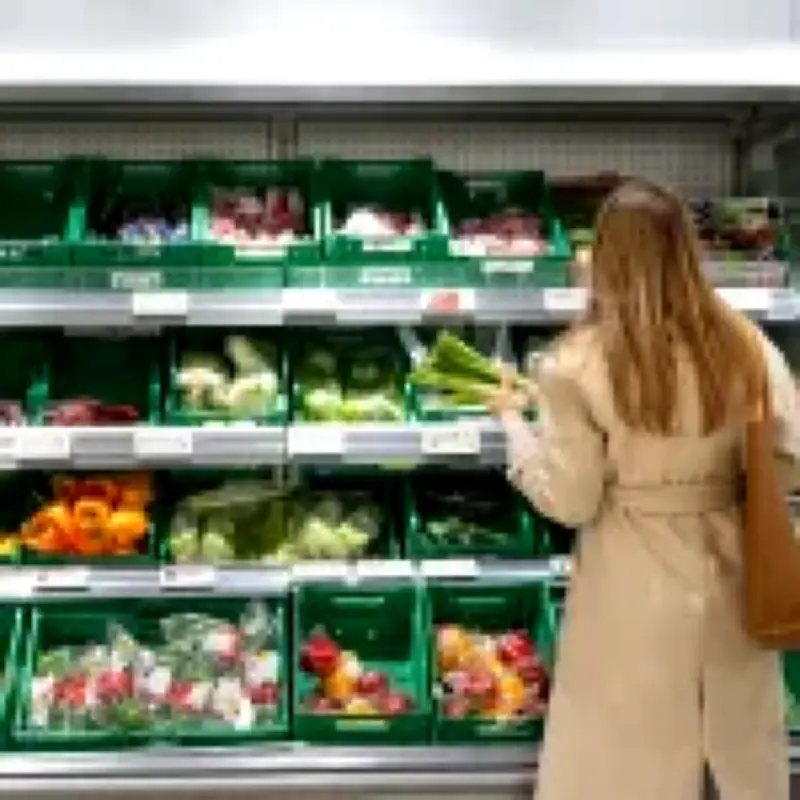
The ongoing drought affecting England, Wales and much of continental Europe is causing fruit and vegetables in supermarkets to appear smaller or more misshapen than usual. As heatwaves continue to dry up fields, retailers are relaxing their usual cosmetic standards for fresh produce, and shoppers may soon see changes in other aisles too.
Retailers relax cosmetic standards
Supply disruptions caused by the drought are forcing some retailers to cut down on normal cosmetic standards for fresh produce. Where a potato might previously have been rejected for looking too knobbly or a cucumber for being too bendy, bosses are now asking shoppers to look past superficial appearances.
Waitrose has told customers that heat stress and lack of rainfall might mean their vegetables are smaller than usual. Calum Kelly, the supermarket's Produce Technical Manager, said: 'In demanding weather conditions we relax size and shape guidelines for key veg to avoid waste and provide more income to our growers and farmers, many of whom we've worked with for more than 30 years.'
'For example, baking potatoes might be a little smaller than usual this harvest if the drought continues. All these veg still taste great, but like many of us in a heatwave, they might just look a little less than perfect.'
Industry-wide response
The British Retail Consortium suggested Waitrose was far from alone in this approach. Andrew Opie, Director of Food & Sustainability Policy at the BRC, said: 'Climate change continues to create challenges for retailers and their suppliers. Extreme weather, including drought, can affect crop yields and place upward pressure on prices.'
'Retailers are experienced in managing supply disruptions and will take all necessary steps to minimise any impact on customers, including sourcing from alternative suppliers and expanding ranges of odd-sized produce.'
Food price increases expected
The impact on customers may go beyond less-than-perfect products. The Food and Drink Federation (FDF), which represents manufacturers in the UK, predicts food will get more expensive in the coming weeks and months if the drought doesn't come to a speedy end.
Dr Liliana Danila, chief economist at the FDF, said she was expecting food inflation to rise. She told Metro: 'We will see an impact, but the impact is usually delayed depending on where it's coming from. So the less processed a product is, the faster the impact. If it's the cucumber that's just bought by the supermarket, then usually it just moves from the supplier to the supermarket. If it actually moves to the supplier through a processor and then through a manufacturer and then to the supermarket, that takes a much longer time.'
Dr Danila added: 'We do expect to see upward pressure on prices from this drought, and we think we'll start seeing that sometime in the last few months of the year and going into the next year, because again, it will be a gradual impact.'
The impact could also extend to dairy products and meat later in the year, she said, as farmers are forced to use up feed they would usually save for the winter in the summer due to the dried-up fields.




